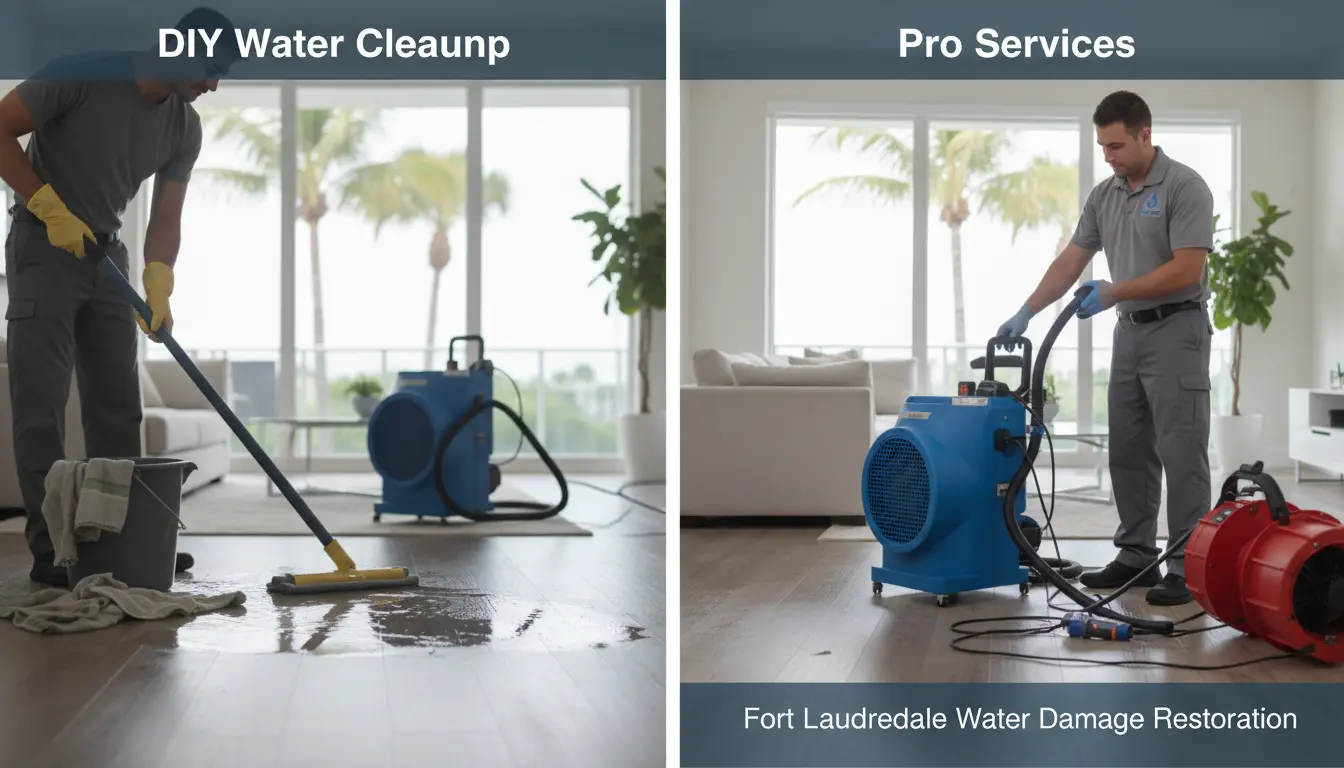
Water damage can strike without warning in Fort Lauderdale’s humid subtropical climate, where heavy rains, hurricanes, and plumbing mishaps are all too common. Imagine waking up to a flooded kitchen after a midnight downpour or discovering a burst pipe in your Victoria Park home. The immediate panic is real, and so is the temptation to grab a mop and tackle the mess yourself. But is DIY water cleanup truly the best approach, or should you call in the pros? At Fort Lauderdale Water Damage Restoration, we’ve seen it all—from minor spills to catastrophic floods—and we’re here to break it down for you.
In this guide, we’ll explore the key differences between handling water damage on your own and hiring professional services. Drawing on local insights tailored to Fort Lauderdale’s unique challenges, like our proximity to the Atlantic and vulnerability to tropical storms, we’ll provide practical advice to help you make an informed decision. Whether you’re in Dania Beach or Flagler Village, understanding these options can save your property—and your sanity.
Understanding Water Damage in Fort Lauderdale
Fort Lauderdale’s coastal location means water damage isn’t just a ‘what if’—it’s a frequent reality. From seasonal hurricanes that dump inches of rain in hours to everyday issues like leaky roofs during the wet season (May to October), our area sees its share of flooding. According to local reports, Broward County experiences over 50 inches of annual rainfall, much of it concentrated in intense bursts that overwhelm drainage systems.
Types of Water Damage You Might Encounter
Water damage isn’t one-size-fits-all. Category 1 (clean water) from a broken appliance might seem manageable, but Category 2 (gray water) from washing machines or Category 3 (black water) from sewage backups can pose serious health risks. In Fort Lauderdale, sewage issues are particularly prevalent due to aging infrastructure in neighborhoods like Hollywood.
If you’re dealing with sewage, attempting DIY cleanup could expose you to harmful bacteria and pathogens. That’s why professional sewage backup cleaning is crucial—our team at Fort Lauderdale Water Damage Restoration uses specialized equipment to safely remove contaminants and disinfect affected areas.
The DIY Approach: Pros, Cons, and Practical Tips
DIY water cleanup appeals to homeowners who want to save time and money, especially for small incidents. It’s empowering to take control, but it’s not always the smartest move. Let’s weigh the scales.
Pros of DIY Water Cleanup
- Cost Savings: No service fees upfront—perfect for tight budgets in a city like Fort Lauderdale where living costs are rising.
- Immediate Action: You can start right away, preventing minor issues from worsening.
- Learning Experience: Gain basic skills for future maintenance.
Cons and Hidden Dangers
However, DIY often falls short. Without proper tools, you might miss hidden moisture pockets, leading to mold growth within 24-48 hours in our warm climate. Improper drying can weaken structures, causing costly reconstruction and repair down the line. In Tamarac, we’ve responded to DIY attempts that turned a simple leak into structural damage, requiring extensive fixes.
Health risks are another concern. Black water contains sewage and chemicals; handling it without PPE can lead to illness. Plus, if you’re renting in Fort Lauderdale’s vibrant apartment scene, DIY might void your lease or insurance.
Actionable DIY Tips (When It’s Safe)
If the damage is minor (under 10 gallons of clean water) and contained to one room, proceed cautiously:
- Safety First: Turn off electricity to affected areas and wear gloves, boots, and a mask.
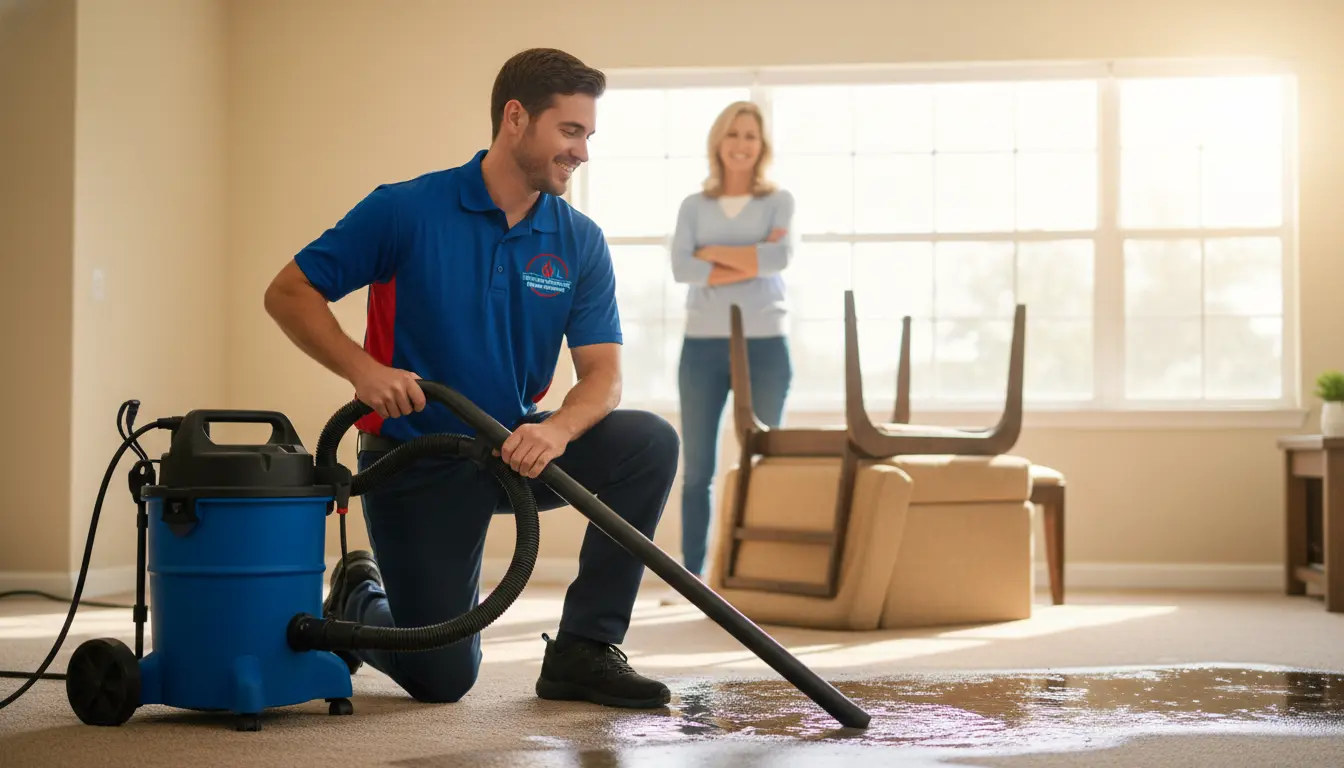
- Extract Water: Use wet-dry vacuums or towels to remove standing water. Rent fans and dehumidifiers from local stores like Home Depot on Federal Highway.
- Dry Thoroughly: Open windows (weather permitting) and run fans for 48-72 hours. In humid Fort Lauderdale, this might not suffice—monitor with a moisture meter.
- Clean and Disinfect: Use EPA-approved cleaners on surfaces. Avoid carpets if possible; they harbor bacteria.
- Document Everything: Take photos for insurance claims.
Remember, if you smell mustiness or see warping, stop and call pros. For rapid response, our emergency water removal service arrives within the hour, 24/7.
Why Professional Services Outshine DIY in Fort Lauderdale
When water damage escalates, professionals like those at Fort Lauderdale Water Damage Restoration bring expertise that DIY can’t match. We’re IICRC-certified, equipped with industrial-grade tools, and familiar with local building codes.
Expertise and Advanced Tools
Pros use moisture detectors, thermal imaging cameras, and high-capacity pumps to identify and extract water from hard-to-reach spots like crawl spaces or behind walls. In Fort Lauderdale’s older homes, built on sandy soil, water can seep deeply—DIY misses this, leading to mold remediation services needs later.
Our debris removal service ensures thorough cleanup, hauling away soaked materials safely. This prevents secondary damage, like mold in the humid air that averages 70-80% humidity year-round.
Speed, Insurance, and Long-Term Savings
Time is critical—delays amplify damage. Pros complete jobs faster, minimizing disruption. We also handle insurance paperwork, maximizing your claim. While initial costs seem higher ($1,500-$5,000 vs. DIY’s $200-$500), pros prevent expensive follow-ups. Local case: A Flagler Village client saved thousands by calling us early, avoiding full rebuilds.
Local Fort Lauderdale Advantages
We know the area’s quirks—hurricane-prone zones require wind-resistant drying techniques, and coastal salt air demands anti-corrosion gear. Serving from Dania Beach to Tamarac, we’re your go-to for tailored solutions.
When to Choose DIY vs. Calling the Pros
Opt for DIY only for clean, small-scale incidents. Signs you need pros:
- Standing water over 1 inch
- Any sewage or floodwater
- Structural concerns (sagging ceilings)
- Mold signs
- Overwhelmed by the scope
In Fort Lauderdale, err on the side of caution—our tropical weather accelerates deterioration.
FAQ: Common Questions About Water Cleanup in Fort Lauderdale
1. How quickly does mold grow after water damage?
In our humid climate, mold can start in 24-48 hours. Act fast to prevent it; pros use antimicrobial treatments for complete eradication.
2. Will my homeowner’s insurance cover professional water damage restoration?
Most policies cover sudden damage (not neglect). We assist with claims to ensure fair coverage—contact us for a free assessment.
3. Can I DIY if it’s just a small leak in my apartment?
For clean water and quick drying, yes—but check with your landlord. In dense areas like Victoria Park, shared walls mean calling pros prevents neighbor issues.
4. What’s the average cost of pro services in Fort Lauderdale?
It varies by extent: $1,000-$3,000 for basic jobs, up to $10,000+ for severe cases. Factors include water category and affected square footage.
5. How do I prevent future water damage in my Fort Lauderdale home?
Regular maintenance: Inspect roofs pre-wet season, clear gutters, and install sump pumps. For plumbing woes, schedule annual checks.
Conclusion: Protect Your Fort Lauderdale Home the Right Way
Water damage doesn’t have to overwhelm you. While DIY offers quick fixes for minor issues, professional services from Fort Lauderdale Water Damage Restoration deliver peace of mind, efficiency, and lasting results. Don’t risk your health or property—especially in our flood-vulnerable area. If you’re facing water woes in Hollywood, Dania Beach, or beyond, reach out today for expert help. Call us at (954) 737-4755 or visit our site for a free consultation. Your dry, safe home awaits!