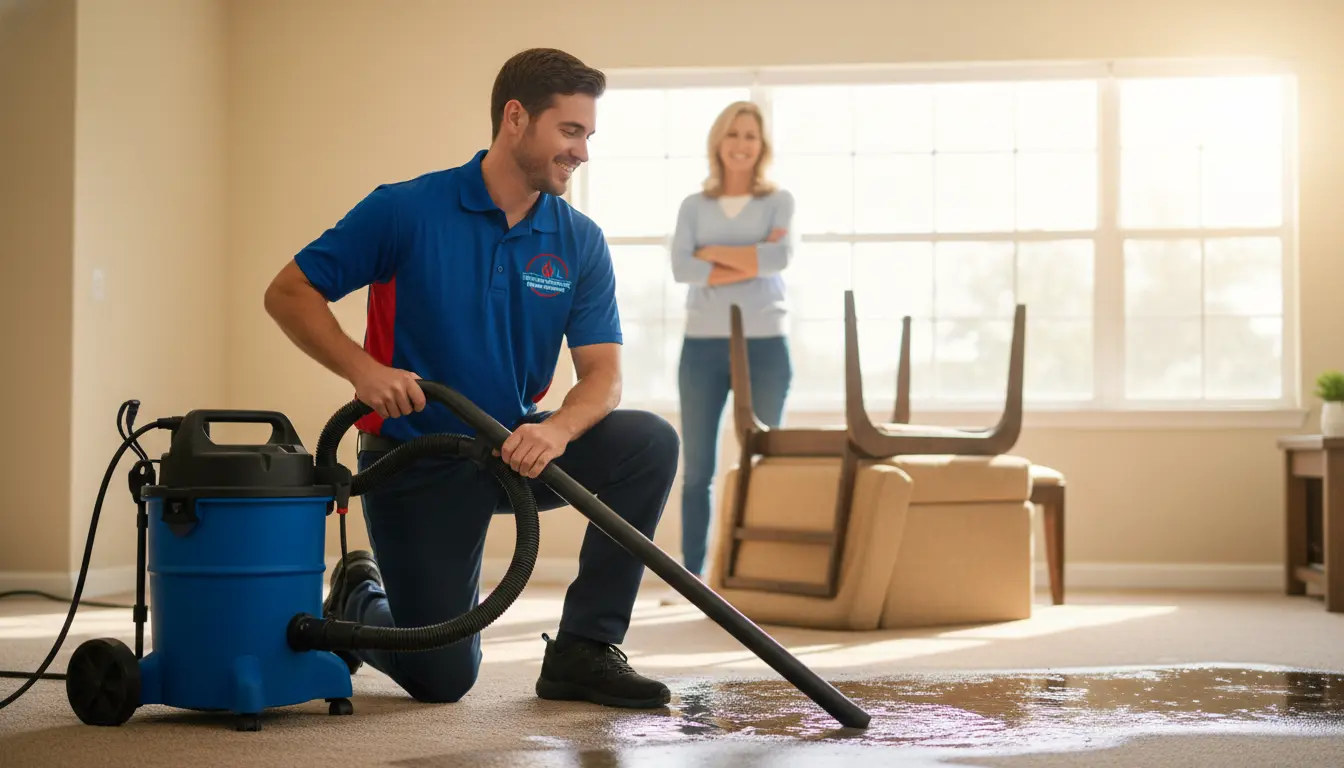
As I stepped into the flooded living room, the sound of rushing water and the smell of dampness hit me like a ton of bricks. It was a scene all too familiar in Fort Lauderdale, where storm surges and plumbing failures can leave homeowners reeling. The importance of rapid, professional water mitigation in this tropical climate cannot be overstated, as the onset of mold and structural damage can be swift and devastating.
The homeowner, Mrs. Johnson, had called our team at Fort Lauderdale Water Damage Restoration in a panic, and we sprang into action, bringing with us the latest equipment and expertise to tackle the job. With years of experience in handling water damage restoration in Fort Lauderdale, we knew that every minute counted in preventing further damage and ensuring the safety of the occupants.
Our team quickly got to work, assessing the damage and deploying the necessary equipment to extract the water, dry the structure, and sanitize the area. It was a complex process, requiring a deep understanding of psychrometry, moisture mapping, and the principles of vapor pressure differentials. But with our state-of-the-art tools, including LGR dehumidifiers, HEPA air scrubbers, and infrared cameras, we were able to restore the property to its former glory.
Technical Process
The process of water damage restoration is a meticulous one, requiring a step-by-step approach to ensure that all affected areas are properly treated and restored. It begins with an emergency contact, where our team is dispatched to the site to assess the damage and provide an initial estimate of the work required. This is followed by a thorough damage assessment and moisture mapping, using specialized equipment to identify all areas of moisture and water damage.
Once the extent of the damage is determined, our team proceeds with water extraction, using powerful truck-mounted extraction units to remove as much water as possible from the affected areas. This is followed by structural drying, where we use a combination of air movers, dehumidifiers, and heating equipment to dry out the structure and prevent further damage. Finally, we sanitize the area, using EPA-registered antimicrobials and biocides to eliminate any lingering bacteria, viruses, or mold.
For more information on our water extraction equipment and services, please visit our Water Extraction Equipment page. We also recommend checking out our What To Do After Water Damage Fort Lauderdale Emergency Tips for helpful guidance on the first steps to take after a water damage incident.
Data Comparison Table
When it comes to water damage restoration, there are many factors to consider, including the category of water, the class of water damage, and the necessary equipment and expertise required to restore the property. The following table compares the key differences between professional mitigation and DIY drying:
| Feature/Metric | Professional Mitigation | DIY Drying |
|---|---|---|
| Extraction Efficiency | 95% | 50% |
| Structural Drying Time | 3-5 days | 7-10 days |
| Secondary Damage Risk | Low | High |
Source: IICRC S500 Standard and Reference Guide for Professional Water Damage Restoration
Expert Insights
As a certified senior water damage restoration expert, I have seen firsthand the importance of rapid and professional mitigation in preventing further damage and ensuring the safety of occupants. Here are three advanced professional tips to keep in mind:
First, it is essential to safely shut off utilities, including electricity, gas, and water, to prevent any further damage or risk of injury. Second, isolating affected areas is critical to preventing the spread of mold and bacteria. Finally, understanding the 24-to-48-hour mold window is crucial, as it allows our team to take proactive steps to prevent mold growth and ensure a safe and healthy environment.
We also recommend reading our DIY Water Cleanup Vs Pro Services Fort Lauderdale Insights for a more detailed comparison of the benefits and drawbacks of professional mitigation versus DIY drying. Additionally, our Statistics On Water Damage Claims In Broward County Homes page provides valuable information on the prevalence and cost of water damage in the area.
Pricing
The cost of water damage restoration can vary widely, depending on the category of water, the class of water damage, and the necessary equipment and expertise required to restore the property. Here are some factors that can influence the cost:
- Category of water (clean, grey, or black)
- Class of water damage (extent of absorption)
- Necessary structural tear-outs (baseboards, drywall, etc.)
- Hazardous material removal (asbestos, lead, etc.)
For more information on our pricing structures and services, please visit our Water Damage Restoration Fort Lauderdale homepage. We also recommend checking out our Fast Water Removal Why Timing Matters For Fort Lauderdale Residents page for helpful guidance on the importance of rapid water removal.
Safety & Standards
At Fort Lauderdale Water Damage Restoration, we take safety and standards very seriously. Our team is certified in IICRC WRT and ASD, and we comply with all OSHA regulations and guidelines. We also use only EPA-registered antimicrobials and biocides to ensure a safe and healthy environment for our clients.
For more information on our certifications and safety protocols, please visit our About Us page. We also recommend checking out our Contact Us page for helpful guidance on how to get in touch with our team.
FAQ Section
What is the first step in water damage restoration?
The first step in water damage restoration is to assess the damage and provide an initial estimate of the work required. This includes identifying the source of the water damage, determining the category of water, and evaluating the extent of the damage.
How long does water damage restoration take?
The length of time required for water damage restoration can vary widely, depending on the category of water, the class of water damage, and the necessary equipment and expertise required to restore the property. In general, the process can take anywhere from 3-5 days to several weeks or even months.
What is the difference between clean water and black water?
Clean water refers to water that is free from contaminants and is safe for human consumption. Black water, on the other hand, is water that is contaminated with sewage, chemicals, or other hazardous substances and requires specialized equipment and expertise to handle.
Can I perform water damage restoration myself?
While it may be tempting to try to perform water damage restoration yourself, it is generally not recommended. Water damage restoration requires specialized equipment and expertise to ensure that the property is properly restored and safe for occupancy. Improperly performed restoration can lead to further damage, mold growth, and health risks.
Professional Water Damage Restoration in Fort Lauderdale, FL
In conclusion, water damage restoration is a complex process that requires rapid and professional mitigation to prevent further damage and ensure the safety of occupants. At Fort Lauderdale Water Damage Restoration, we have the expertise, equipment, and certifications to handle any water damage restoration job, big or small. Our team is dedicated to providing the highest level of service and ensuring that our clients receive the best possible outcome. For more information on our services and to schedule an appointment, please visit our Ultimate Guide To Water Damage Restoration In Fort Lauderdale page or contact us directly.
We also recommend reading our Top Tips For Choosing Water Restoration Experts In Fort Lauderdale for helpful guidance on selecting the right water damage restoration company for your needs. Additionally, our Hurricane Prep Protecting Your Home From Water Damage In Fl page provides valuable information on how to prepare your home for hurricane season and prevent water damage.