Imagine returning home after a heavy rainstorm in Fort Lauderdale only to discover a musty smell and dark spots creeping across your walls. Water damage is a common issue in our subtropical paradise, but what many homeowners overlook is the rapid mold growth that follows. As experts at Fort Lauderdale Water Damage Restoration, we’ve seen firsthand how Florida’s high humidity and frequent storms turn minor leaks into major mold infestations. In this comprehensive guide, we’ll explore the risks associated with mold after water damage, why it’s especially problematic in Florida, and practical solutions to protect your home and health. Whether you’re dealing with a burst pipe or coastal flooding, understanding these threats can save you time, money, and stress.
Understanding Mold Growth After Water Damage
Mold thrives in damp environments, and water damage provides the perfect breeding ground. In Florida, where the average humidity hovers around 70-90%, mold can start growing within 24-48 hours of water exposure. This isn’t just an aesthetic issue—it’s a health and structural hazard that demands immediate attention.
How Water Damage Leads to Mold
Water damage can stem from various sources: leaking roofs during hurricane season, plumbing failures, or even high water tables in areas like Plantation. Once water infiltrates walls, floors, or ceilings, it saturates porous materials like drywall, wood, and carpet. These materials retain moisture, creating ideal conditions for mold spores—microscopic fungi present in the air—to colonize and multiply.
The process is insidious. Initially, you might not see visible signs, but behind the scenes, mold hyphae (root-like structures) penetrate surfaces, breaking them down. In humid Florida homes, this growth accelerates, potentially spreading to HVAC systems and contaminating the entire indoor air quality.
Why Florida is Particularly Vulnerable
Florida’s climate is a mold magnet. With over 50 inches of annual rainfall and proximity to the ocean, regions like Fort Lauderdale face constant moisture challenges. Storms like those from the Atlantic can cause flash floods, while the state’s sandy soil doesn’t absorb water well, leading to persistent dampness.
Local factors amplify the risk. In neighborhoods such as Coral Ridge, older homes with Spanish tile roofs are prone to leaks, and air conditioning units struggle against the heat, sometimes causing condensation buildup. According to the Florida Department of Health, mold-related complaints spike after wet seasons, underscoring the need for vigilant water damage response.
Health and Structural Risks of Mold
Ignoring mold isn’t an option—its consequences are far-reaching. For health, mold exposure can trigger allergic reactions, asthma attacks, and respiratory issues, especially in children, the elderly, and those with compromised immune systems. Toxic molds like black mold (Stachybotrys) produce mycotoxins that may cause chronic fatigue, skin rashes, or even neurological symptoms.
Structurally, mold weakens building materials. It rots wooden beams, corrodes metal, and erodes insulation, leading to costly repairs. In Fort Lauderdale’s real estate market, undisclosed mold can devalue properties by thousands, complicating sales in areas like Dania Beach.
A study by the CDC highlights that indoor mold from water damage contributes to over 21 million allergy sufferers annually in the U.S., with Florida’s humid conditions exacerbating the problem. Early detection is key to mitigating these risks.
Signs of Mold Growth in Your Home
Spotting mold early can prevent escalation. Common indicators include:
- Visible Growth: Black, green, or white fuzzy patches on walls, ceilings, or floors.
- Musty Odor: A persistent earthy smell, even after cleaning.
- Water Stains: Discoloration from leaks that precede mold.
- Health Symptoms: Unexplained sneezing, coughing, or eye irritation when indoors.
In Florida homes, check basements and attics first—these areas trap humidity. If you’ve experienced recent water intrusion, like from a dishwasher overflow, inspect hidden spots behind appliances.
Effective Solutions to Prevent and Remove Mold
Prevention starts with prompt water removal. Acting within the first 24 hours can halt mold in its tracks. Here’s actionable advice tailored to Florida homeowners:
Immediate Steps After Water Damage
- Stop the Source: Identify and fix the leak—whether it’s a roof repair or plumbing issue.
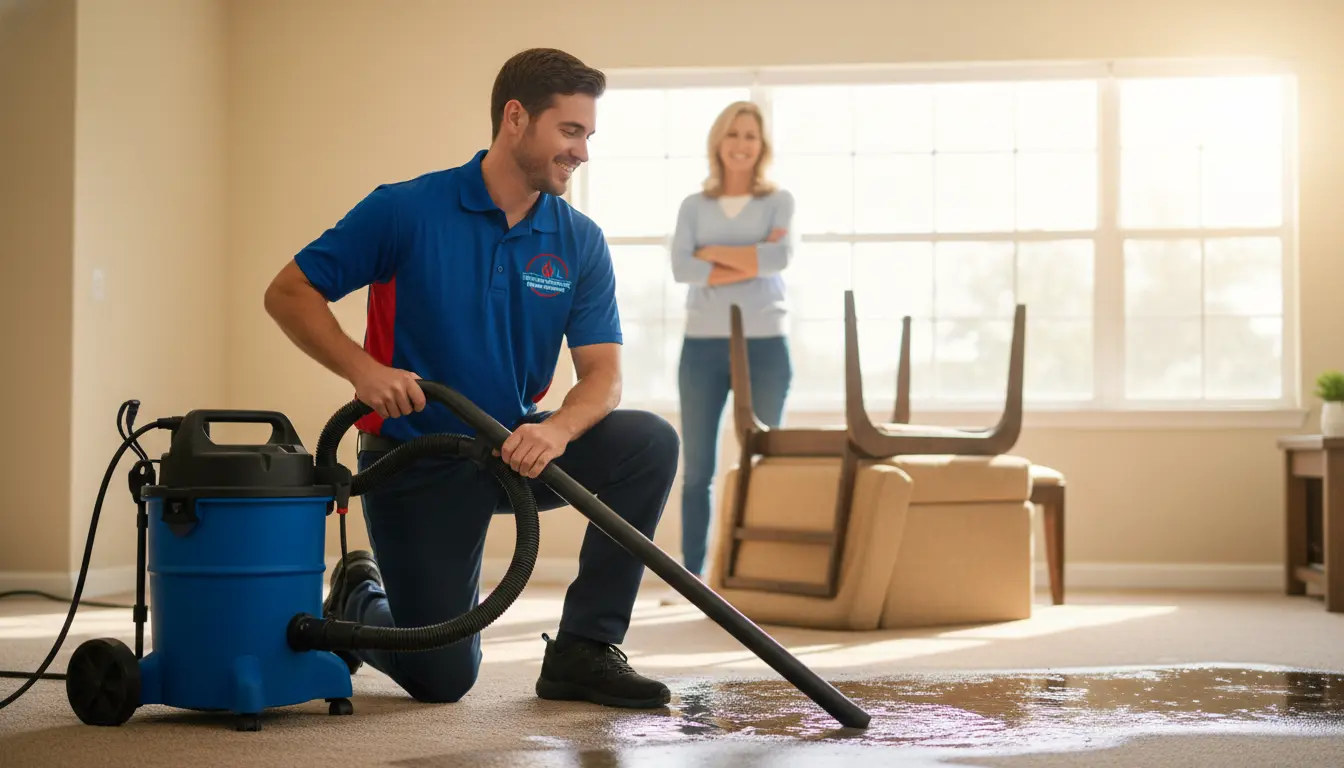
- Extract Water: Use wet vacuums or pumps for standing water. For carpeted areas, consider carpet water damage repair techniques like professional extraction to avoid saturation.
- Ventilate: Open windows and use fans, but in humid Florida, dehumidifiers are essential to pull moisture from the air.
DIY Prevention Tips
- Maintain humidity below 60% with dehumidifiers or AC units.
- Insulate pipes to prevent condensation.
- Seal cracks in foundations, common in sandy soils around Tamarac.
- Clean gutters regularly to divert rainwater from your home.
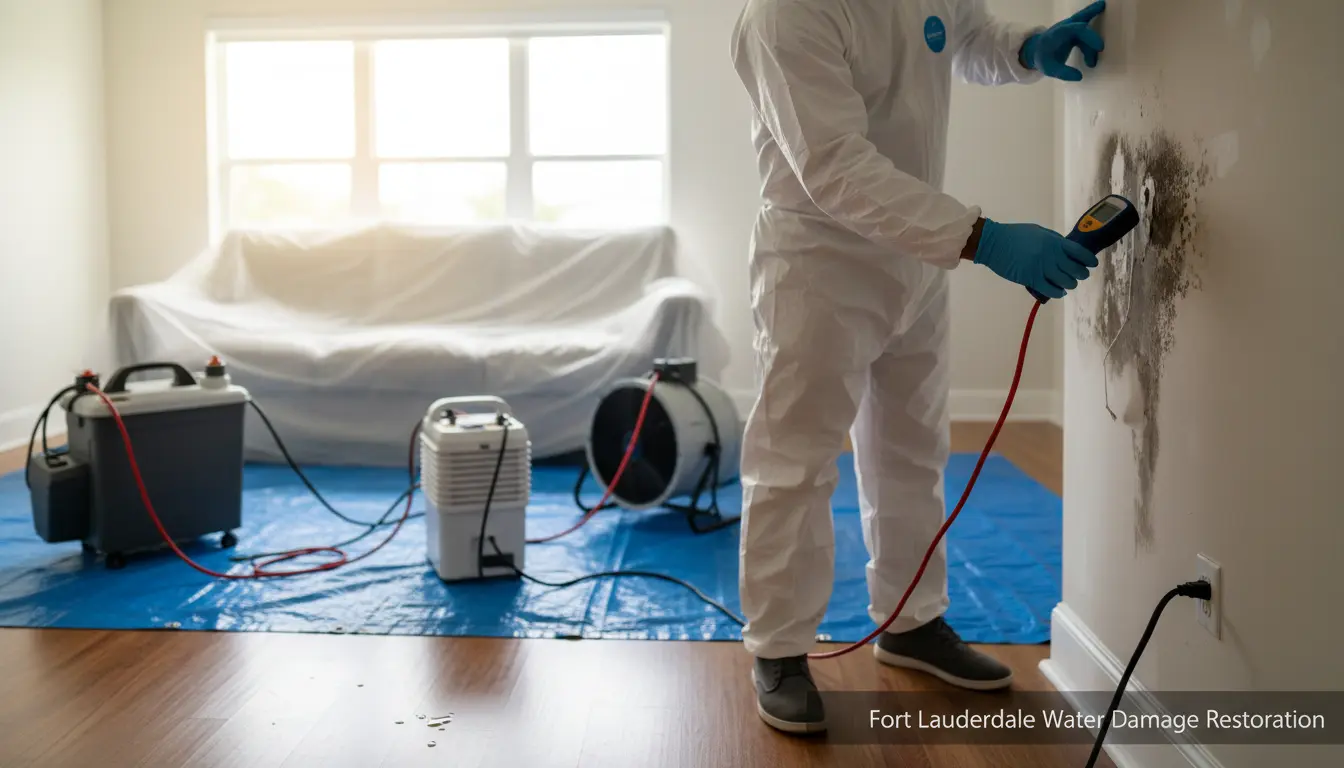
For cleaning small mold patches (under 10 square feet), mix one cup of bleach with a gallon of water and scrub non-porous surfaces. Wear protective gear: gloves, mask, and goggles. However, for extensive growth, DIY isn’t enough—mold can hide in walls, requiring professional tools like air scrubbers.
Professional Mold Remediation
When water damage affects large areas, call experts. At Fort Lauderdale Water Damage Restoration, our flood damage cleanup process includes moisture detection with infrared cameras, containment to prevent spore spread, and EPA-approved removal. We follow IICRC guidelines for safe remediation.
Post-removal, opt for reconstruction and repair to restore your property’s integrity. We also provide insurance claim assistance to ease the financial burden, working with local providers in Fort Lauderdale.
In coastal areas like Rio Vista, where salt air accelerates corrosion, our team uses antimicrobial treatments to prevent recurrence.
FAQ: Common Questions About Mold After Water Damage
1. How quickly does mold grow after water damage in Florida?
Mold can begin growing within 24-48 hours, faster in our humid climate. Immediate drying is crucial.
2. Is all mold dangerous?
Not all, but black mold and others can produce toxins. If unsure, test via professionals—don’t risk health.
3. Can I remove mold myself?
For small areas, yes, with proper precautions. Larger infestations require certified remediation to avoid spreading spores.
4. Does homeowners insurance cover mold remediation?
Often yes, if from a covered peril like storms. Our insurance claim assistance helps navigate policies.
5. How can I prevent mold in my Fort Lauderdale home?
Control humidity, fix leaks promptly, and schedule annual inspections, especially before rainy season.
Conclusion: Protect Your Fort Lauderdale Home Today
Mold growth after water damage is a serious threat in Florida, but with knowledge and swift action, you can safeguard your health, home, and wallet. From understanding the risks to implementing prevention strategies, you’re now equipped to tackle this issue head-on. In Fort Lauderdale and surrounding areas, trust Fort Lauderdale Water Damage Restoration for reliable, 24/7 emergency services. Don’t let mold take hold—contact us today for a free assessment and restore peace of mind to your home.