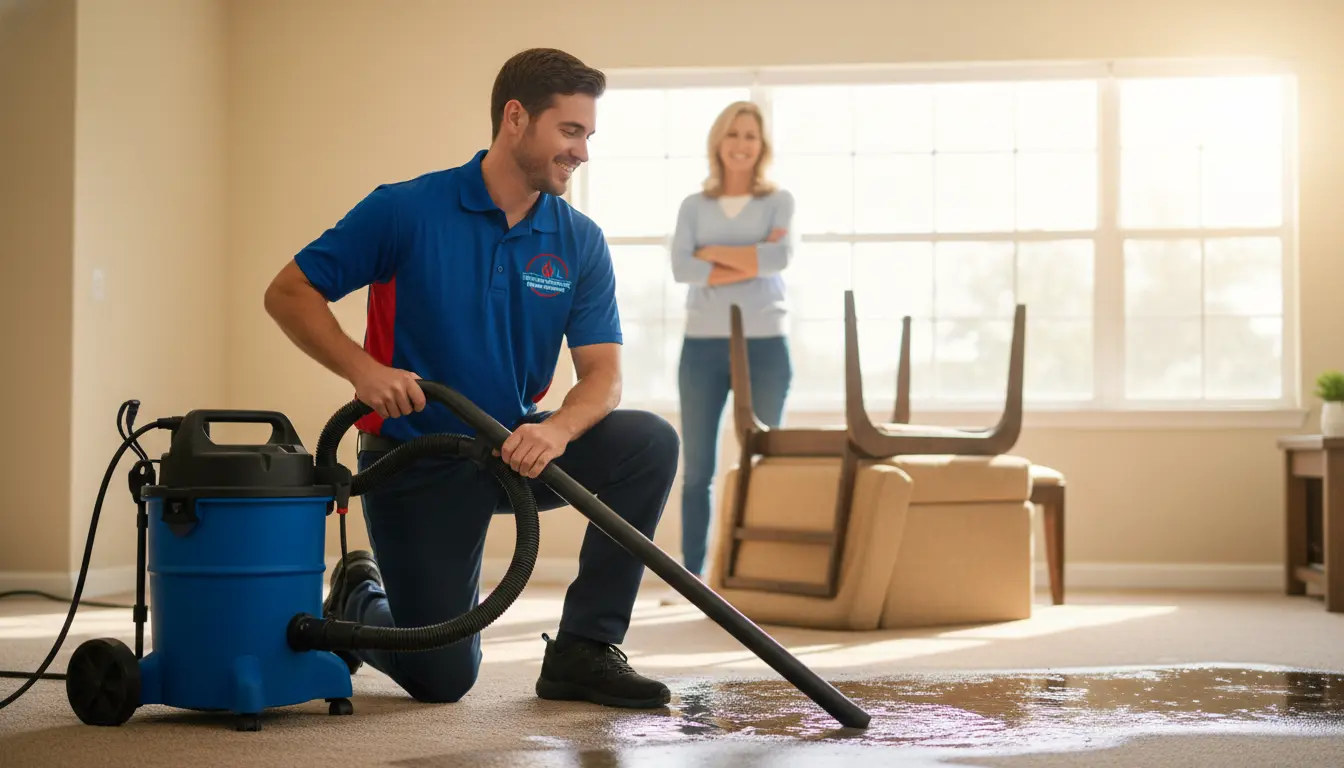
As I stepped into the coastal home in Fort Lauderdale, FL, the pungent smell of dampness and the sound of dripping water immediately caught my attention. The homeowner, Mrs. Johnson, was frantic, having just discovered a leak in her roof that had been ongoing for weeks, causing significant water damage to her drywall. With the humid tropical climate of South Florida, I knew that every minute counted in preventing further damage and potential mold growth. As a certified water damage restoration expert, I reassured Mrs. Johnson that my team and I would work diligently to restore her home to its original state, using the latest techniques and equipment to ensure a safe and healthy environment.
The first step in addressing water-damaged drywall in homes near Fort Lauderdale Beach is to assess the extent of the damage. This involves a thorough inspection of the property, including the use of moisture meters and thermal imaging cameras to identify areas of high humidity and water saturation. In Mrs. Johnson’s case, we detected significant water damage in the ceiling and walls of her living room, which required immediate attention to prevent further deterioration. By understanding the category and class of water damage, we can develop an effective restoration plan that addresses the unique needs of each property.
Once the assessment is complete, the next step is to extract the water and begin the drying process. This may involve the use of truck-mounted extraction units, wet vacuums, and LGR dehumidifiers to remove excess moisture from the air and surfaces. In Fort Lauderdale, where the ambient humidity is typically high, it’s essential to use equipment that can effectively manage the moisture levels and prevent secondary damage. Our team used a combination of these tools to dry out Mrs. Johnson’s home, carefully monitoring the progress to ensure that the drywall was restored to a safe and stable condition.
Understanding the Water Damage Restoration Process
The water damage restoration process involves several critical steps, each designed to address a specific aspect of the damage. First, it’s essential to stop the source of the water leak, whether it’s a burst pipe, a leaky roof, or a malfunctioning appliance. Next, we assess the damage and develop a restoration plan that takes into account the category and class of water damage, as well as the type of materials affected. This plan may include water extraction, drying, dehumidification, and sanitization, depending on the extent of the damage and the level of contamination.
In addition to these steps, it’s also crucial to consider the local environment and how it may impact the restoration process. In Fort Lauderdale, the high humidity and tropical climate require specialized equipment and techniques to effectively manage moisture levels and prevent mold growth. Our team is trained to handle these unique conditions, using the latest tools and technologies to ensure a safe and healthy environment for our clients. For more information on the common causes of water damage in South Florida properties, visit our 7 Common Causes of Water Damage in South Florida Properties page.
Technical Tools and Equipment
To effectively restore water-damaged drywall, it’s essential to have the right tools and equipment. This may include LGR dehumidifiers, HEPA air scrubbers, truck-mounted extraction units, and infrared cameras. Each of these tools plays a critical role in the restoration process, whether it’s removing excess moisture, cleaning the air, or detecting hidden water damage. By using these tools in conjunction with our expertise and training, we can ensure that the drywall is restored to its original condition, and the property is safe and healthy for occupancy.
In Fort Lauderdale, where the risk of mold growth is high due to the humid climate, it’s especially important to use equipment that can effectively manage moisture levels and prevent secondary damage. Our team is trained to use a variety of tools and techniques to address these unique conditions, including the use of antimicrobial treatments and disinfectants to prevent the growth of mold and bacteria. For more information on our services and how we can help with water damage restoration, visit our Water Damage Restoration Fort Lauderdale page.
Data Comparison
When it comes to water damage restoration, there are several key factors to consider, including the category and class of water damage, the type of materials affected, and the level of contamination. The following table compares the key features of professional mitigation versus DIY drying, highlighting the importance of seeking expert help in addressing water damage.
| Feature/Metric | Professional Mitigation | DIY Drying |
|---|---|---|
| Extraction Efficiency | High | Low |
| Structural Drying Time | Faster | Slower |
| Secondary Damage Risk | Lower | Higher |
Source: IICRC S500 Standard and Reference Guide for Professional Water Damage Restoration
Expert Insights
As a certified water damage restoration expert, I’ve seen firsthand the importance of rapid and effective action in addressing water damage. One of the most critical mistakes property owners make is waiting too long to seek help, allowing the damage to spread and the risk of mold growth to increase. By acting quickly and seeking expert help, property owners can minimize the damage and ensure a safe and healthy environment for occupancy. For more information on how to prevent flood damage during the Florida rainy season, visit our How to Prevent Flood Damage During Florida Rainy Season page.
In addition to seeking expert help, there are several steps property owners can take to prevent water damage and minimize the risk of mold growth. This includes regular maintenance of plumbing and appliances, prompt repair of leaks and water damage, and the use of mold-resistant materials in construction and renovation. By taking these steps, property owners can help ensure a safe and healthy environment for occupancy and minimize the risk of costly repairs and restoration. For more information on our services and how we can help with mold remediation, visit our Mold Growth After Water Damage Risks and Solutions in Florida page.
Pricing
The cost of water damage restoration can vary widely, depending on the extent of the damage, the category and class of water damage, and the level of contamination. In general, the cost of restoration can range from a few thousand dollars to tens of thousands of dollars, depending on the complexity of the job and the equipment and labor required. Some of the key factors that influence the cost of restoration include:
- The category of water (clean, grey, or black)
- The class of water damage (extent of absorption)
- The type of materials affected (drywall, wood, carpeting, etc.)
- The level of contamination (mold, bacteria, etc.)
- The need for specialized equipment (LGR dehumidifiers, HEPA air scrubbers, etc.)
Safety and Standards
When it comes to water damage restoration, safety and standards are of the utmost importance. As a certified water damage restoration expert, I’m trained to follow the latest guidelines and protocols, including those set by the IICRC and OSHA. This includes the use of personal protective equipment (PPE), the implementation of safety protocols, and the adherence to strict standards for cleanliness and disinfection. By following these guidelines and protocols, we can ensure a safe and healthy environment for our clients and minimize the risk of secondary damage and mold growth.
For more information on our safety protocols and standards, visit our About Us page. To learn more about the statistics on water damage claims in Broward County homes, visit our Statistics on Water Damage Claims in Broward County Homes page.
FAQs
What are the most common causes of water damage in Fort Lauderdale homes?
The most common causes of water damage in Fort Lauderdale homes include plumbing leaks, roof leaks, and appliance malfunctions. These types of damage can be caused by a variety of factors, including worn-out or damaged pipes, clogged drains, and faulty appliances. By understanding the common causes of water damage, property owners can take steps to prevent and minimize the risk of damage.
How long does it take to restore a water-damaged property?
The length of time it takes to restore a water-damaged property can vary widely, depending on the extent of the damage and the complexity of the job. In general, the restoration process can take anywhere from a few days to several weeks, depending on the scope of the work and the equipment and labor required. By working with a certified water damage restoration expert, property owners can get a better understanding of the timeline and what to expect during the restoration process.
What is the best way to prevent mold growth after water damage?
The best way to prevent mold growth after water damage is to act quickly and seek expert help. This includes extracting the water, drying the property, and using antimicrobial treatments and disinfectants to prevent the growth of mold and bacteria. By taking these steps, property owners can minimize the risk of mold growth and ensure a safe and healthy environment for occupancy.
Can I handle water damage restoration on my own?
While it may be tempting to handle water damage restoration on your own, it’s generally not recommended. Water damage restoration requires specialized equipment and expertise, and attempting to handle it on your own can lead to further damage and health risks. By working with a certified water damage restoration expert, property owners can ensure that the job is done safely and effectively, and that their property is restored to its original condition.
Conclusion
In conclusion, water damage restoration is a complex and nuanced process that requires specialized expertise and equipment. By understanding the common causes of water damage, the importance of rapid action, and the role of certified experts in the restoration process, property owners can minimize the risk of damage and ensure a safe and healthy environment for occupancy. If you’re experiencing water damage in your Fort Lauderdale home, don’t hesitate to contact us at Fort Lauderdale Water Damage Restoration. Our team of certified experts is standing by to help you restore your property and get back to normal as quickly as possible. For more information on our services and how we can help with water damage restoration, visit our Contact Us page.