Water damage, in the context of insurance coverage, refers to the physical harm or destruction caused by water to a property, which can be covered under specific terms and conditions of an insurance policy. It is crucial to distinguish this from general wear and tear or maintenance issues, as insurance typically does not cover the latter. In Fort Lauderdale, Florida, understanding what constitutes water damage and how it is covered by insurance is particularly important due to the region’s susceptibility to hurricanes, flooding, and high humidity, which can lead to mold growth and structural issues.
The importance of rapid, professional water mitigation in Fort Lauderdale cannot be overstated. The city’s tropical climate means that water damage can quickly escalate into more severe problems, such as mold infestations, which not only compromise the structural integrity of buildings but also pose significant health risks to occupants. Fort Lauderdale Water Damage Restoration is a premier service provider in the area, equipped with the expertise and technology to address water damage effectively and efficiently.
Given the complexities of insurance policies and the varying degrees of water damage, it is essential for homeowners to have a comprehensive understanding of their coverage. This includes knowing the types of water damage that are typically covered, such as damage from bursting pipes, roof leaks, and flooding, as well as the exclusions and limitations of their policy. Additionally, being aware of the steps to take immediately after discovering water damage, such as notifying the insurance company and securing the property, can significantly impact the outcome of a claim.
Understanding Water Damage Insurance Coverage
Insurance coverage for water damage in Fort Lauderdale is designed to protect homeowners from financial losses due to unforeseen water-related incidents. However, the specifics of what is covered can vary widely depending on the policy. Generally, sudden and accidental water damage, such as from a pipe burst or appliance malfunction, is covered. On the other hand, damage resulting from lack of maintenance, like a slowly leaking pipe, may not be covered. It is also important to note that flood damage, which is a common concern in coastal areas like Fort Lauderdale, typically requires a separate flood insurance policy.
For homeowners seeking to understand their water damage insurance coverage, reviewing their policy documents carefully and consulting with their insurance provider can provide clarity. It’s also beneficial to have a professional assessment of the property to identify potential vulnerabilities to water damage, such as outdated plumbing or inadequate sealing around windows and doors. This proactive approach can help mitigate risks and ensure that the property is adequately protected against water-related losses.
The Restoration Process
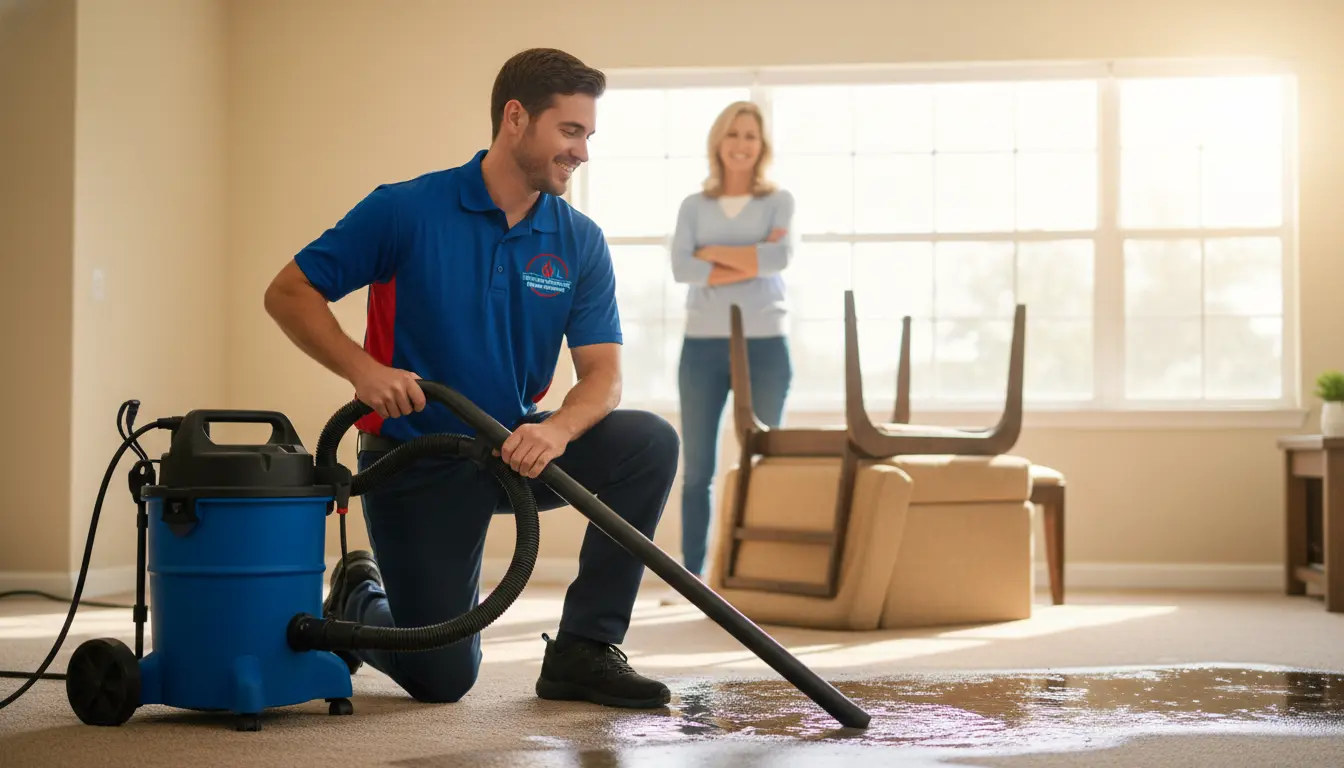
The process of restoring a property after water damage involves several critical steps, each designed to ensure the property is returned to a safe and habitable condition as quickly as possible. The first step is emergency contact and initial assessment, where the extent of the damage is evaluated, and a plan for restoration is devised. This is followed by water extraction, using powerful pumps and vacuums to remove standing water, and then structural drying, which involves the use of dehumidifiers, fans, and sometimes heaters to dry out the property.
Moisture mapping and thermal imaging are advanced techniques used to locate hidden moisture, which can be particularly challenging in Fort Lauderdale’s humid climate. Once the property is dry, sanitization and cleaning are performed to remove any contaminants and prevent the growth of mold and mildew. Finally, any necessary repairs or reconstruction are undertaken to restore the property to its pre-damage condition. Throughout this process, communication with the homeowner and their insurance company is key to ensure a smooth and efficient restoration.
Data Comparison
When considering the approach to water damage restoration, it’s helpful to compare the effectiveness of professional mitigation versus DIY drying efforts. The following table highlights some key differences:
| Feature/Metric | Professional Mitigation | DIY Drying |
|---|---|---|
| Extraction Efficiency | High | Low |
| Structural Drying Time | Faster | Slower |
| Secondary Damage Risk | Lower | Higher |
Source: IICRC S500 Standard and Reference Guide for Professional Water Damage Restoration
Expert Insights
Professional water damage restoration experts offer several advanced tips for homeowners dealing with water damage. Firstly, it’s crucial to safely shut off utilities (electricity, gas, and water) to the affected area to prevent further damage or safety hazards. Secondly, isolating the affected area can help prevent the spread of moisture and contaminants to other parts of the property. Lastly, understanding the 24-to-48-hour window for mold growth is critical; taking prompt action within this timeframe can significantly reduce the risk of severe mold infestations.
Common mistakes property owners make include relying solely on ceiling fans for drying, which can be ineffective and even counterproductive, and using bleach on porous materials, which can damage the materials without adequately addressing the mold. Ignoring hidden moisture in wall cavities is another critical mistake, as it can lead to dry rot, structural compromise, or severe mold blooms that are costly and dangerous to rectify.
Pricing
The cost of water damage restoration in Fort Lauderdale can vary based on several factors, including the category of water (clean, grey, or black), the class of water damage (the extent of absorption), and the necessity for structural tear-outs or hazardous material removal. Pricing structures may be based on per square foot, per room, or emergency dispatch rates. It’s essential for homeowners to understand these factors and to work with a restoration company that provides transparent and competitive pricing.
Safety and Standards
Safety and adherence to industry standards are paramount in water damage restoration. Companies should hold relevant certifications, such as IICRC WRT (Water Restoration Technician) and ASD (Applied Structural Drying), and comply with OSHA regulations to ensure the safety of their technicians and the property occupants. The use of EPA-registered antimicrobials and biocides is also crucial for preventing the spread of harmful microorganisms.
FAQ
What should I do immediately after discovering water damage in my home?
After discovering water damage, it’s essential to act quickly to minimize damage. Start by turning off the main water supply if the damage is due to a burst pipe or appliance malfunction. Then, contact your insurance company to report the incident and a professional water damage restoration service to assess and begin the mitigation process. Do not attempt to use electrical appliances or turn on lights in the affected area until it has been deemed safe by a professional.
How long does the water damage restoration process typically take?
The duration of the water damage restoration process can vary significantly depending on the extent of the damage, the size of the affected area, and the materials involved. Generally, the initial assessment and water extraction can be completed within a few hours, but the drying and restoration process can take several days to a week or more. It’s crucial to work with a professional restoration company that can provide a detailed timeline and keep you informed throughout the process.
Can I perform water damage restoration myself, or do I need to hire a professional?
While it might be tempting to attempt water damage restoration yourself to save money, it’s generally recommended to hire a professional, especially for significant water damage. Professionals have the training, equipment, and experience to safely and efficiently restore your property, preventing further damage and potential health hazards. They can also work directly with your insurance company to streamline the claims process.
What are some common causes of water damage in Fort Lauderdale homes?
Common causes of water damage in Fort Lauderdale homes include burst pipes due to aging or corrosion, roof leaks from storm damage or worn-out roofing materials, appliance malfunctions such as washing machine or dishwasher leaks, and flooding from heavy rainfall or storm surges. Regular maintenance and inspections can help identify and address potential issues before they lead to water damage.
Conclusion
In conclusion, understanding whether water damage is covered by insurance in Fort Lauderdale requires a thorough review of one’s policy and an awareness of the common causes and restoration processes. Homeowners should be proactive in maintaining their properties and knowing how to respond to water damage incidents. For professional, efficient, and safe water damage restoration, it’s crucial to work with a reputable and certified service provider like Fort Lauderdale Water Damage Restoration. By taking immediate action and working with the right professionals, homeowners can mitigate risks, ensure their properties are restored to a safe and habitable condition, and navigate the insurance claims process with confidence.
For more information on water damage restoration and how to protect your property, visit our Ultimate Guide To Water Damage Restoration In Fort Lauderdale or consult our Insurance Claim Assistance services for personalized guidance and support.
Remember, when it comes to water damage, every minute counts. Don’t hesitate to reach out to professionals who can provide the expertise and resources needed to restore your property and peace of mind. Learn more about our services and how we can help you by visiting About Us and Contact Us for a consultation.