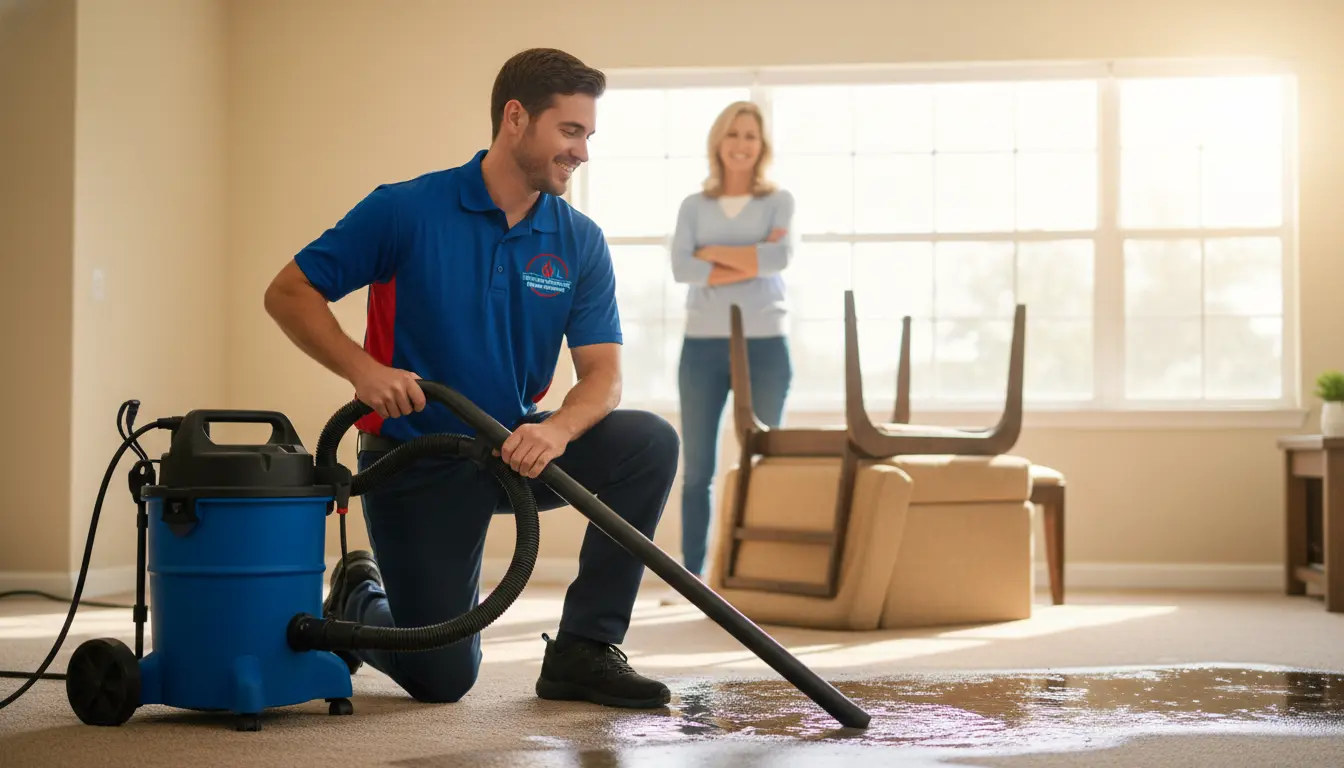
Contrary to popular belief, the most critical factor in water damage restoration near Las Olas Isles is not the speed of response, but rather the thoroughness of the mitigation process. While rapid action is essential in preventing further damage, a hasty approach can often lead to overlooked details and a higher likelihood of secondary damage. In Fort Lauderdale, FL, where tropical humidity and seasonal hurricanes are prevalent, the risk of water damage is ever-present, making it crucial for homeowners to understand the top mistakes to avoid after a water damage incident.
The city’s proximity to the coast and its characteristic king tides increase the risk of flooding, which can lead to severe water damage if not addressed promptly. Moreover, the typical South Florida building materials, such as stucco, drywall, and concrete block, can be particularly susceptible to water absorption, emphasizing the need for a meticulous restoration process. As a Certified Senior Water Damage Restoration Expert, I have witnessed firsthand the devastating consequences of inadequate mitigation, including the rapid onset of mold, structural compromise, and significant financial losses.
For homeowners in Las Olas Isles, it is essential to recognize the importance of professional water damage restoration services, such as those provided by Fort Lauderdale Water Damage Restoration, to ensure a thorough and scientific approach to mitigation. By understanding the common mistakes to avoid, homeowners can better navigate the restoration process and minimize the risk of secondary damage. For more information on what to do after water damage, visit our emergency tips page.
Technical Process
A professional water damage restoration workflow involves a step-by-step approach, beginning with emergency contact and damage assessment, followed by moisture mapping, water extraction, structural drying, dehumidification, and sanitization. The use of specialized equipment, such as LGR dehumidifiers, HEPA air scrubbers, and truck-mounted extraction units, is crucial in ensuring a thorough and efficient restoration process. In Fort Lauderdale’s humid climate, the chosen drying method and equipment setup must take into account the ambient humidity, highlighting the importance of a tailored approach to each unique situation.
For example, in cases of Category 3 water damage, where sewage or contaminated water is present, the restoration process must prioritize the removal of hazardous materials and the use of EPA-registered antimicrobials and biocides to prevent the spread of disease-causing pathogens. The incorporation of thermal imaging and psychrometry in the assessment phase enables a more accurate determination of the extent of damage, allowing for a more targeted and effective restoration strategy. To learn more about the risks of mold growth after water damage, visit our mold growth page.
Data Comparison Table
When considering the restoration process, it is essential to understand the differences between professional mitigation and DIY drying methods. The following table highlights the key distinctions:
| Feature/Metric | Professional Mitigation | DIY Drying |
|---|---|---|
| Extraction Efficiency | 90-100% | 50-70% |
| Structural Drying Time | 3-5 days | 7-14 days |
| Secondary Damage Risk | Low | High |
Source: IICRC S500 Standard and Reference Guide for Professional Water Damage Restoration
Expert Insights
As a seasoned expert in water damage restoration, I have identified several critical tips for homeowners to keep in mind during the restoration process. Firstly, it is essential to safely shut off utilities, such as electricity and gas, to prevent further damage and ensure a safe working environment. Secondly, isolating affected areas is crucial in preventing the spread of moisture and contaminants. Lastly, understanding the 24-to-48-hour mold window is vital, as it allows homeowners to take proactive measures to prevent mold growth and minimize the risk of secondary damage. For more information on how to prevent flood damage during the Florida rainy season, visit our flood damage prevention page.
In addition to these tips, it is also important to be aware of common mistakes that homeowners make during the restoration process. Relying solely on ceiling fans for drying, using bleach on porous materials, and ignoring hidden moisture in wall cavities are all mistakes that can lead to significant consequences, including dry rot, structural compromise, and severe mold blooms. By being aware of these potential pitfalls, homeowners can take a more proactive and informed approach to the restoration process. For a comprehensive guide to water damage restoration in Fort Lauderdale, visit our ultimate guide page.
Pricing
The cost of water damage restoration services can vary widely, depending on factors such as the category of water, the class of water damage, and the necessary structural tear-outs. In general, professional mitigation services can range from $3 to $10 per square foot, depending on the extent of the damage. Emergency dispatch rates can also apply, particularly in cases where rapid response is critical. The use of specialized equipment, such as LGR dehumidifiers and HEPA air scrubbers, can also impact the overall cost of the restoration process.
For example, in cases where Category 3 water damage is present, the cost of restoration may be higher due to the need for hazardous material removal and the use of EPA-registered antimicrobials and biocides. Similarly, the cost of structural tear-outs, such as baseboards or drywall, can also add to the overall cost of the restoration process. By understanding these factors, homeowners can better anticipate the costs associated with water damage restoration and make informed decisions about their restoration needs. For more information on the top tips for choosing water restoration experts in Fort Lauderdale, visit our top tips page.
Safety & Standards
The safety and standards of water damage restoration services are of paramount importance, particularly in residential or commercial properties where occupants may be vulnerable to hazardous conditions. As a Certified Senior Water Damage Restoration Expert, I emphasize the importance of specific certifications, such as IICRC WRT and ASD, as well as OSHA compliance and the use of EPA-registered antimicrobials and biocides. These standards ensure that the restoration process is conducted in a safe and controlled environment, minimizing the risk of secondary damage and ensuring the health and well-being of occupants.
FAQ Section
What is the most critical factor in water damage restoration near Las Olas Isles?
The most critical factor in water damage restoration near Las Olas Isles is the thoroughness of the mitigation process. While rapid action is essential in preventing further damage, a hasty approach can often lead to overlooked details and a higher likelihood of secondary damage.
How can I prevent mold growth after water damage in my home?
To prevent mold growth after water damage in your home, it is essential to address the issue promptly and thoroughly. This includes safely shutting off utilities, isolating affected areas, and understanding the 24-to-48-hour mold window. Professional mitigation services can also help to prevent mold growth by using specialized equipment and techniques to dry and sanitize the affected area. For more information on mold growth after water damage, visit our mold growth page.
What are the typical costs associated with water damage restoration services in Fort Lauderdale?
The typical costs associated with water damage restoration services in Fort Lauderdale can vary widely, depending on factors such as the category of water, the class of water damage, and the necessary structural tear-outs. In general, professional mitigation services can range from $3 to $10 per square foot, depending on the extent of the damage. Emergency dispatch rates can also apply, particularly in cases where rapid response is critical.
How can I choose the right water restoration expert for my needs in Fort Lauderdale?
To choose the right water restoration expert for your needs in Fort Lauderdale, it is essential to consider factors such as certifications, experience, and equipment. Look for experts who are certified by the IICRC and have experience in handling water damage restoration projects similar to yours. Additionally, consider the equipment and techniques used by the expert, as well as their reputation and customer reviews. For more information on the top tips for choosing water restoration experts in Fort Lauderdale, visit our top tips page.
Professional Water Damage Restoration in Fort Lauderdale, FL
In conclusion, the importance of professional water damage restoration services in Fort Lauderdale, FL cannot be overstated. By understanding the common mistakes to avoid and the critical factors in the restoration process, homeowners can take a more proactive and informed approach to addressing water damage in their homes. At Fort Lauderdale Water Damage Restoration, our team of experts is dedicated to providing the highest level of service and care to our customers, ensuring a thorough and scientific approach to mitigation and a safe and healthy environment for occupants. For more information on our services, visit our home page or contact us directly to speak with a certified expert.