Living in Florida means embracing the beauty of sunny beaches and vibrant communities like Fort Lauderdale, but it also means preparing for the unpredictable fury of hurricane season. As residents of this coastal paradise, we’ve all felt the anxiety of approaching storms, especially with the ever-present threat of flooding and water intrusion. In 2023 alone, hurricanes caused over $50 billion in damages across the Southeast, much of it from water-related issues. But here’s the good news: with proactive steps, you can significantly reduce the risk to your home. At Fort Lauderdale Water Damage Restoration, we’re dedicated to helping South Florida families stay safe and dry. In this guide, we’ll walk you through essential hurricane preparation strategies tailored to our local environment, ensuring your property withstands the elements.
Whether you’re in the heart of Fort Lauderdale or nearby areas like Coral Ridge, knowledge is your first line of defense. Let’s dive into how you can fortify your home against water damage before, during, and after a storm.
Understanding Water Damage Risks in Florida
Florida’s unique geography makes it a hotspot for water-related disasters. Our peninsula is surrounded by water, and the flat terrain exacerbates flooding during heavy rains and storm surges. In Fort Lauderdale, where the average annual rainfall exceeds 60 inches, even tropical storms can overwhelm drainage systems, leading to basement flooding, roof leaks, and structural compromise.
Common Sources of Water Damage During Hurricanes
Hurricanes don’t just bring wind—they unleash torrents of rain and push ocean water inland. Key risks include:
- Storm Surge and Coastal Flooding: Fort Lauderdale’s beaches, including those in nearby Dania Beach, are vulnerable to surges that can inundate homes up to several feet deep.
- Roof and Exterior Leaks: High winds can lift shingles or damage flashing, allowing rainwater to seep into attics and walls.
- Sewer and Drain Backups: Overloaded systems in urban areas like Tamarac can cause sewage to back up into homes.
Ignoring these threats can lead to mold growth, weakened foundations, and costly repairs. According to the Insurance Information Institute, water damage accounts for nearly 25% of all homeowner insurance claims in Florida. By understanding these vulnerabilities, you can prioritize your prep efforts effectively.
Pre-Hurricane Preparation: Fortify Your Home
The best time to prepare is before the storm hits. Start by creating a hurricane checklist and tackling these actionable steps weeks in advance. Focus on sealing potential entry points for water and reinforcing weak spots.
Inspect and Maintain Your Roof and Gutters
Your roof is the first barrier against rain. In Fort Lauderdale’s humid climate, regular inspections are crucial. Trim overhanging branches that could crash during high winds, and clean gutters to ensure proper drainage. Consider installing hurricane straps or clips to secure roof panels—many local building codes in areas like Hollywood require this for new constructions.
If your roof shows signs of wear, such as missing granules or cracked tiles, schedule a professional assessment. Proactive maintenance can prevent leaks that lead to extensive wall and ceiling drying needs post-storm.
Secure Windows, Doors, and Exterior Features
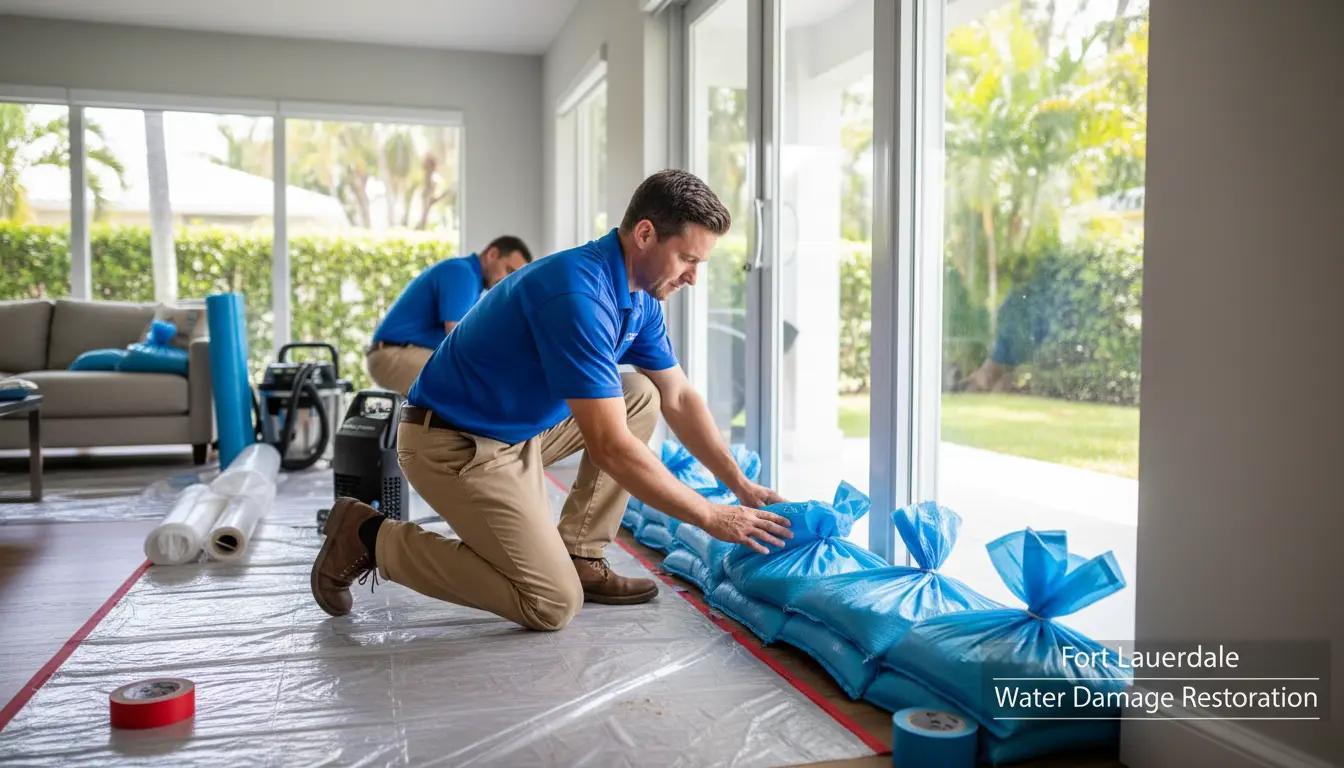
Install impact-resistant windows or sturdy shutters to protect against flying debris and wind-driven rain. In coastal spots like Coral Ridge, where salt air accelerates corrosion, ensure door frames are sealed with weatherstripping. Elevate outdoor furniture, AC units, and generators to avoid floodwater contamination.
For added protection, apply waterproof sealants to foundation cracks and vents. These simple measures can keep water from infiltrating your living spaces, saving you from the hassle of emergency water removal later.
Landscape and Drainage Improvements
Fort Lauderdale’s sandy soil drains quickly, but heavy rains can still pool. Grade your yard to direct water away from the foundation, and install French drains or extend downspouts if needed. In flood-prone neighborhoods like Deerfield Beach, consider sump pumps for basements or low-lying areas.
Plant native, wind-resistant vegetation to stabilize soil and reduce erosion. These tweaks not only prevent water damage but also enhance your property’s curb appeal in our sunny locale.
During the Hurricane: Staying Safe Indoors
When the storm arrives, shift focus to safety. Evacuate if ordered, especially in low-lying areas near the New River in Fort Lauderdale. Stay away from windows and monitor updates from the National Weather Service.
If flooding begins, avoid walking through water deeper than six inches, as it may hide hazards like live wires. Shut off utilities to prevent electrical issues from water exposure. Document your home’s condition with photos for insurance purposes—this can streamline claims if structural drying processes become necessary afterward.
Post-Hurricane Actions: Mitigating Damage Quickly
The storm may pass, but water damage lingers if not addressed promptly. Wait for official all-clear before returning, then assess for hazards like downed power lines common in windy spots like Tamarac.
Immediate Steps to Take
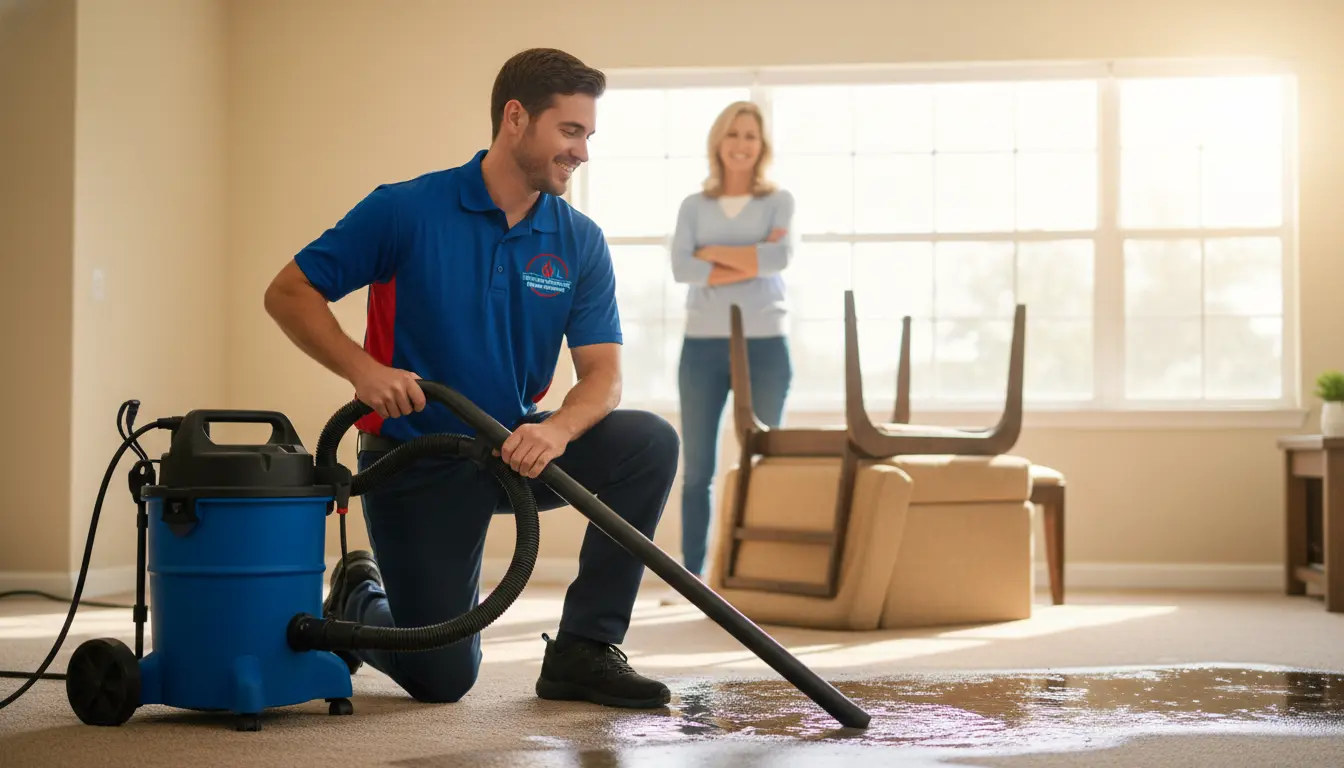
Ventilate your home to reduce humidity, but avoid using fans if mold is suspected. Remove standing water with wet vacuums and towels. For valuables, prioritize content inventory packing to catalog and protect items from further harm.
In Fort Lauderdale, where humidity rebounds quickly, drying out wet areas within 24-48 hours is critical to prevent mold. If the damage is extensive, don’t DIY—call professionals experienced in reconstruction and repair for thorough restoration.
When to Call for Professional Help
Signs like warped floors, musty odors, or visible mold warrant expert intervention. At Fort Lauderdale Water Damage Restoration, our 24/7 team serves the greater Broward County area, including Hollywood and Dania Beach, with rapid response times. We’ve helped countless residents recover from storms like Hurricane Irma, using advanced equipment to restore homes efficiently.
FAQ: Hurricane Water Damage Preparation
1. How can I prepare my Fort Lauderdale home for flooding?
Focus on elevating appliances, sealing entry points, and clearing storm drains. Install flood barriers for garages and ensure your sump pump is functional. For tailored advice, consult local experts familiar with our area’s drainage challenges.
2. What should I do if water enters my home during a hurricane?
Turn off electricity, avoid contaminated water, and contact restoration services immediately. Quick action prevents secondary damage like mold, which thrives in Florida’s warmth.
3. Is homeowners insurance enough for hurricane water damage?
Standard policies cover wind-driven rain but not floods—get separate flood insurance through FEMA’s NFIP. Review your coverage annually, especially if you live in vulnerable areas like Coral Ridge.
4. How long does it take to dry out a flooded home?
It varies from days to weeks, depending on water volume and materials. Professional structural drying can expedite the process and ensure safety.
5. Can I prevent mold after water damage?
Yes, by drying thoroughly and using dehumidifiers. In humid Fort Lauderdale, monitor for 72 hours post-flood and seek pros if needed to avoid health risks.
Conclusion: Stay Prepared and Protected
Hurricane season in Florida tests our resilience, but with these strategies, you can protect your Fort Lauderdale home from devastating water damage. From roof checks to professional restoration, every step counts toward safeguarding what matters most. At Fort Lauderdale Water Damage Restoration, we’re here to support you through every stage—prevention, response, and recovery. Don’t wait for the next storm; contact our team today for a free consultation and peace of mind. Your safe, dry home awaits—let’s make it hurricane-ready together.