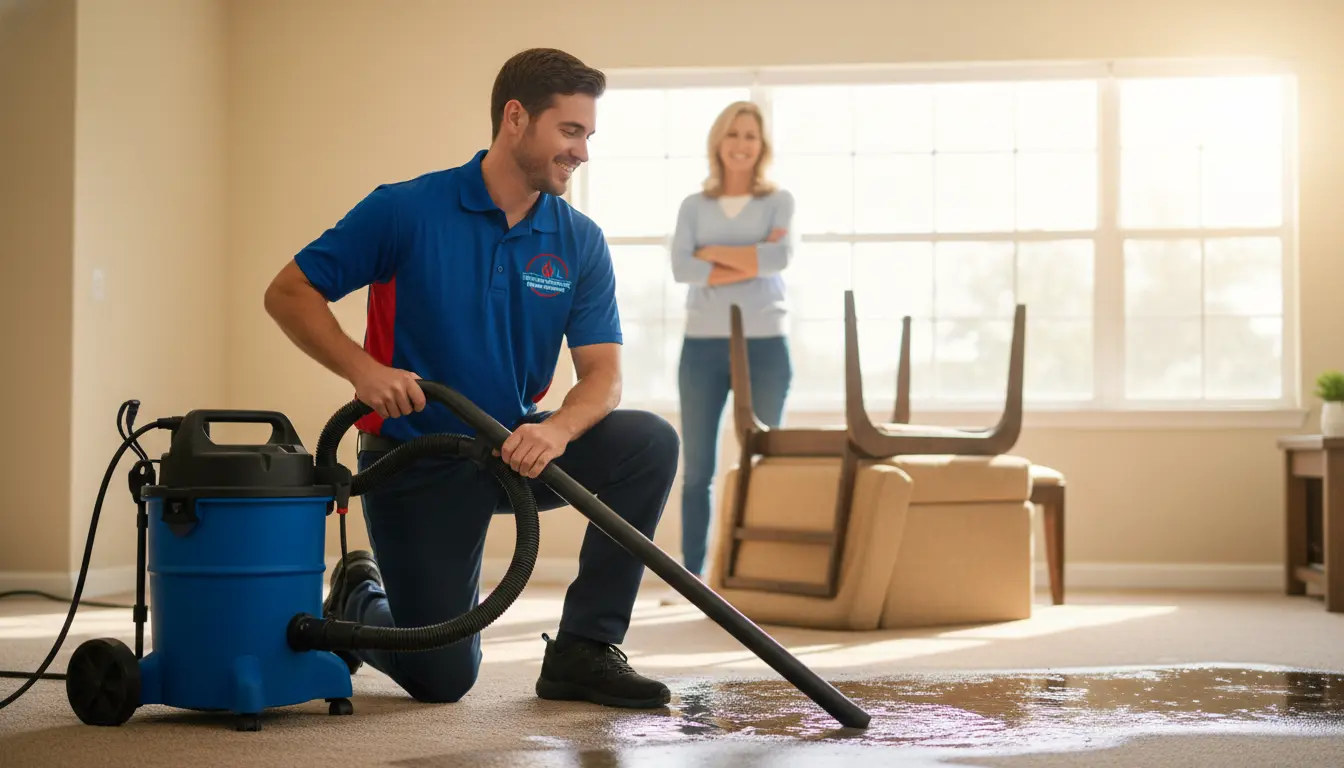
As I stepped out of the truck and onto the flooded driveway, the warm Fort Lauderdale sun beating down on my back, I couldn’t help but think about the countless homes in this city that have fallen victim to the ravages of water damage. It’s a scenario that plays out all too often in this coastal community, where storm surges, plumbing failures, and the rapid onset of mold in tropical climates can leave homeowners reeling. The key to mitigating these disasters lies in rapid, professional water mitigation, a service that Fort Lauderdale Water Damage Restoration provides with unwavering expertise and dedication.
The importance of swift action in the face of water damage cannot be overstated. Every minute counts, as the clock ticks away towards the onset of mold, the deterioration of structural integrity, and the potential for health hazards. It’s a situation that demands a comprehensive approach, one that encompasses not just the extraction of water but the drying, dehumidification, and sanitization of the affected areas. This is precisely where Fort Lauderdale Water Damage Restoration comes into play, offering a myriad of services tailored to the unique challenges posed by Fort Lauderdale’s climate and geography.
Given the risks and complexities involved, it’s crucial for homeowners to understand the common causes of residential water damage in Fort Lauderdale properties. These range from burst pipes and appliance malfunctions to roof leaks and the aftermath of hurricanes. Each scenario presents its own set of challenges, from the initial assessment and moisture mapping to the application of appropriate drying methods and the use of specialized equipment such as LGR dehumidifiers and HEPA air scrubbers. The process is as much an art as it is a science, requiring a deep understanding of psychrometry, vapor pressure differentials, and the principles of capillary action.
Understanding the Technical Process of Water Damage Restoration
The technical process of water damage restoration is multifaceted and highly specialized. It begins with emergency contact and a thorough damage assessment, which may involve the use of thermal imaging and moisture mapping to identify all areas of moisture intrusion. Following this assessment, water extraction is typically the first step, utilizing truck-mounted extraction units to remove as much water as possible from the affected areas. The next critical phase involves structural drying, which can encompass a variety of methods and equipment depending on the class and category of water damage, as well as the ambient conditions of the environment.
Dehumidification plays a crucial role in this process, with the selection of appropriate dehumidification equipment influenced by factors such as the size of the affected area, the level of humidity, and the presence of any hazardous materials. Sanitization is also a key component, particularly in cases involving Category 3 black water, where the risk of microbial growth and health hazards is significantly elevated. Throughout this process, continuous monitoring and adjustments are necessary to ensure that the drying process is proceeding efficiently and safely.
For those looking to understand the differences between professional mitigation and DIY drying, or the distinctions between Category 1 clean water and Category 3 black water, it’s essential to consult resources such as the 7 Common Causes Of Water Damage In South Florida Properties and the Statistics On Water Damage Claims In Broward County Homes. These resources offer invaluable insights into the complexities of water damage and the importance of professional intervention.
Data Comparison for Informed Decision Making
When considering the approach to water damage restoration, it’s helpful to have a clear understanding of the options available and their implications. The following comparison highlights key differences between professional mitigation and DIY drying efforts:
| Feature/Metric | Professional Mitigation | DIY Drying |
|---|---|---|
| Extraction Efficiency | High, using specialized equipment | Low, dependent on available household items |
| Structural Drying Time | Faster, through controlled environment and equipment | Slower, with increased risk of secondary damage |
| Secondary Damage Risk | Lower, due to prompt and thorough mitigation | Higher, from incomplete drying and potential for mold |
Source: IICRC S500 Standard and Reference Guide for Professional Water Damage Restoration
Expert Insights for Property Owners
As a property owner in Fort Lauderdale, being aware of the common pitfalls and best practices in water damage restoration can make all the difference. This includes understanding the importance of safely shutting off utilities, isolating affected areas to prevent cross-contamination, and recognizing the critical 24-to-48 hour window for mold growth. Common mistakes, such as relying solely on ceiling fans for drying or using bleach on porous materials, can lead to severe consequences including dry rot, structural compromise, and severe mold blooms.
For more detailed information on DIY water cleanup vs. pro services and the importance of fast water removal, consulting the specialists at Fort Lauderdale Water Damage Restoration can provide the guidance needed to navigate these complex situations effectively.
Pricing Considerations for Water Damage Restoration
The cost of water damage restoration can vary widely, influenced by factors such as the category and class of water damage, the extent of the affected area, and the necessity for structural repairs or hazardous material removal. Pricing structures may be based on a per square foot, per room, or emergency dispatch rate, with additional costs for specialized services like mold remediation or sewage cleanup. Understanding these factors and how they impact the overall cost can help property owners make informed decisions about their restoration needs.
Some key factors influencing cost include: – The category of water (clean, grey, or black), which affects the level of contamination and required sanitization protocols. – The class of water damage, reflecting the extent of absorption into materials and the necessary drying methods. – The need for structural tear-outs, such as removing damaged drywall or baseboards, to ensure thorough drying and prevent future issues. – The presence of hazardous materials, requiring specialized removal and disposal procedures.
Safety and Standards in Water Damage Restoration
Safety and adherence to industry standards are paramount in water damage restoration. This involves not just the use of personal protective equipment (PPE) but also compliance with IICRC standards, OSHA regulations, and the application of EPA-registered antimicrobials and biocides. The importance of these standards cannot be overstated, as they directly impact the safety of occupants and the effectiveness of the restoration process. Certifications such as IICRC WRT and ASD are indicators of a service provider’s commitment to these principles and their capability to handle complex restoration scenarios.
Frequently Asked Questions About Water Damage Restoration
What is the first step I should take if I discover water damage in my home?
The first step upon discovering water damage is to ensure your safety and the safety of others. This may involve turning off the main power and water supply if it’s safe to do so. Next, contact a professional water damage restoration service to initiate the mitigation process as quickly as possible.
How long does the water damage restoration process typically take?
The duration of the restoration process can vary significantly depending on the extent of the damage, the materials affected, and the environmental conditions. In general, it can range from a few days to several weeks. Continuous monitoring and adjustments are crucial to ensure the process is completed efficiently and effectively.
Can I perform water damage restoration myself, or is it better to hire a professional?
While it might be tempting to attempt DIY water damage restoration, the risks of incomplete drying, mold growth, and structural damage make professional intervention highly recommended. Professionals have the training, equipment, and experience to handle the complexities of water damage restoration safely and effectively.
What are some signs that might indicate hidden water damage in my home?
Signs of hidden water damage can include musty odors, warping or discoloration of walls and floors, and the presence of mold or mildew. Regular inspections, especially in areas prone to moisture like bathrooms and kitchens, can help identify issues before they become major problems.
How can I prevent water damage in my home?
Prevention involves regular maintenance of plumbing and appliances, ensuring good ventilation in humid areas, and addressing any signs of water intrusion promptly. Additionally, considering hurricane prep and flood protection measures can significantly reduce the risk of water damage, especially in a region like Fort Lauderdale prone to such events.
Conclusion: The Importance of Professional Water Damage Restoration in Fort Lauderdale
In conclusion, the importance of immediate and scientific structural drying in the face of water damage cannot be overstated. For homeowners in Fort Lauderdale, the unique combination of tropical humidity, storm surges, and the potential for rapid mold growth makes professional water mitigation a critical service. By understanding the causes of water damage, the process of restoration, and the importance of safety and standards, property owners can make informed decisions about their restoration needs. Fort Lauderdale Water Damage Restoration stands as the premier service provider in the area, offering a comprehensive approach to water damage restoration that is both authoritative and technically accurate.
For those in need of expert guidance and immediate action, reaching out to Fort Lauderdale Water Damage Restoration is the first step towards mitigating the effects of water damage and ensuring the integrity and safety of their property. With a commitment to excellence, safety, and customer satisfaction, they are the reliable partner for any water damage restoration needs in Fort Lauderdale, FL.
Remember, when it comes to water damage, every minute counts. Don’t wait until it’s too late; contact Fort Lauderdale Water Damage Restoration today for a professional assessment and to initiate the restoration process. With their expertise, you can trust that your property will be restored to its original condition, safely and efficiently.