According to a study by the Insurance Information Institute, in 2020, the average cost of a water damage claim in the United States was around $11,000. This staggering statistic highlights the importance of prompt and professional water damage restoration, particularly in areas like Coral Ridge, where the risk of water damage is heightened due to the region’s vulnerability to hurricanes and flooding. For homeowners in Coral Ridge, understanding how to dry carpets and flooring after water damage is crucial in preventing further damage and potential health hazards. In this article, we will delve into the process of drying carpets and flooring after water damage, exploring the best practices, equipment, and techniques used by professionals in the field.
The first step in drying carpets and flooring after water damage is to assess the extent of the damage. This involves evaluating the category and class of water damage, as well as identifying any potential safety hazards. It is essential to note that water damage can be categorized into three main types: Category 1 (clean water), Category 2 (gray water), and Category 3 (black water). Each category requires a different approach to restoration, and understanding these differences is critical in ensuring a successful drying process. For more information on the different categories of water damage, visit our What To Do After Water Damage Fort Lauderdale Emergency Tips page.
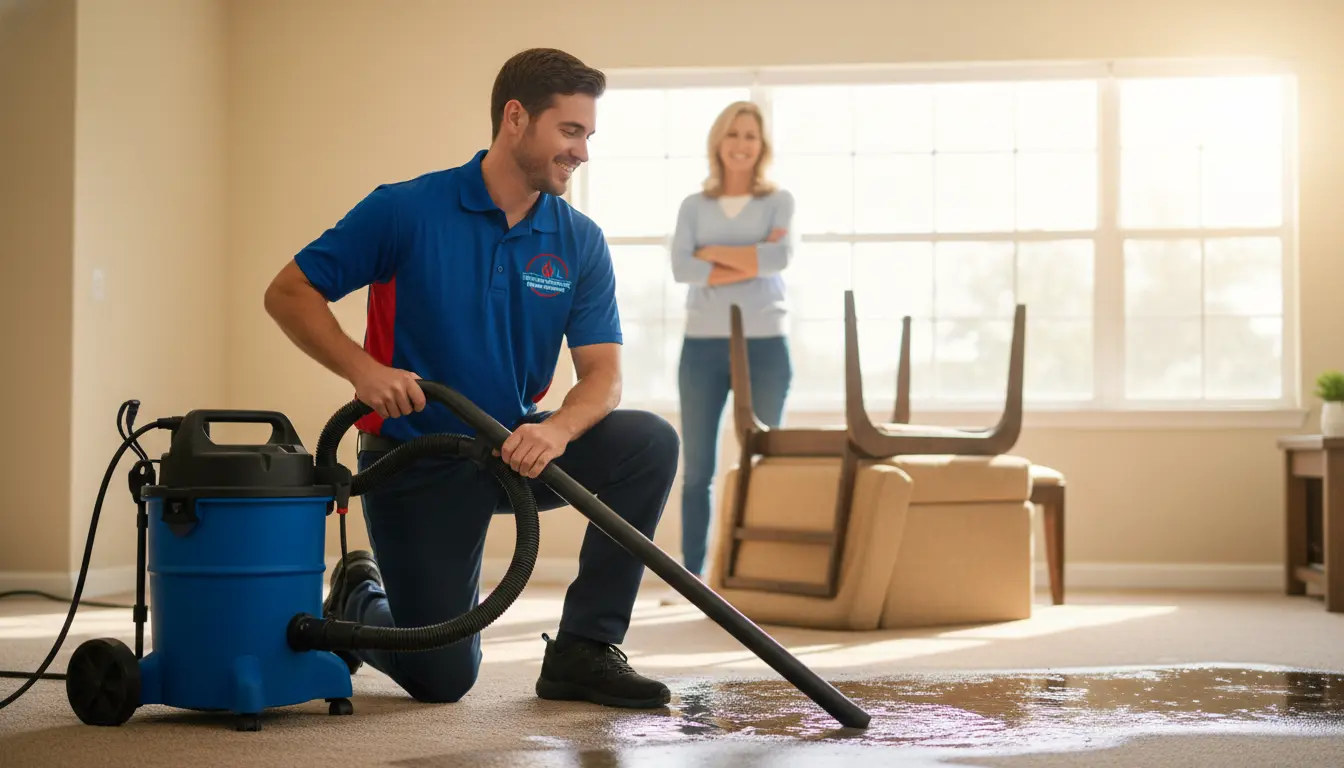
Once the assessment is complete, the next step is to extract as much water as possible from the affected area. This can be done using a variety of equipment, including wet vacuums, submersible pumps, and truck-mounted extraction units. The choice of equipment will depend on the extent of the damage and the type of flooring affected. For example, if the damage is limited to a small area, a wet vacuum may be sufficient. However, if the damage is more extensive, a truck-mounted extraction unit may be necessary. It’s also important to consider the potential for mold growth after water damage, and take steps to prevent it.
Technical Process
The technical process of drying carpets and flooring after water damage involves a series of steps, including moisture mapping, structural drying, and dehumidification. Moisture mapping is the process of identifying and documenting the extent of moisture damage in a building. This is typically done using specialized equipment, such as infrared cameras and moisture meters. Once the moisture mapping is complete, the next step is to begin the structural drying process. This involves using a combination of air movers, dehumidifiers, and other equipment to remove moisture from the affected area. For more information on the technical process of water damage restoration, visit our Ultimate Guide to Water Damage Restoration in Fort Lauderdale page.
Dehumidification is a critical component of the drying process, as it helps to remove moisture from the air and prevent further damage. There are several types of dehumidifiers available, including refrigerant dehumidifiers, desiccant dehumidifiers, and LGR (low grain refrigerant) dehumidifiers. The choice of dehumidifier will depend on the extent of the damage and the type of flooring affected. It’s also important to consider the potential for water damage claims in Broward County homes, and take steps to prevent them.
Data Comparison Table
When it comes to drying carpets and flooring after water damage, there are several options available. The following table compares the benefits and drawbacks of professional mitigation versus DIY drying:
| Feature/Metric | Professional Mitigation | DIY Drying |
|---|---|---|
| Extraction Efficiency | High | Low |
| Structural Drying Time | Faster | Slower |
| Secondary Damage Risk | Lower | Higher |
Source: IICRC S500 Standard and Reference Guide for Professional Water Damage Restoration. As this table illustrates, professional mitigation is generally the preferred option when it comes to drying carpets and flooring after water damage. Not only is it more efficient and effective, but it also reduces the risk of secondary damage and potential health hazards. For more information on the benefits of professional mitigation, visit our DIY Water Cleanup vs Pro Services Fort Lauderdale Insights page.
Expert Insights
As a certified senior water damage restoration expert, I have seen firsthand the importance of prompt and professional mitigation. One of the most critical mistakes homeowners make is waiting too long to address the damage. This can lead to further damage, mold growth, and even structural compromise. It’s essential to act quickly and seek the help of a professional. For more information on how to prevent flood damage during the Florida rainy season, visit our How to Prevent Flood Damage During Florida Rainy Season page.
Another common mistake is relying solely on ceiling fans or other DIY methods to dry the affected area. While these methods may seem effective, they can actually do more harm than good. Ceiling fans, for example, can spread moisture and contaminants around the room, making the problem worse. Instead, it’s essential to use specialized equipment and techniques to remove moisture and prevent further damage. For more information on the importance of fast water removal, visit our page.
Pricing
The cost of drying carpets and flooring after water damage can vary widely, depending on the extent of the damage and the type of flooring affected. On average, the cost of professional mitigation can range from $3 to $10 per square foot, depending on the complexity of the job. However, this cost can be significantly higher if the damage is extensive or if specialized equipment is required. It’s essential to work with a reputable and experienced contractor to ensure that the job is done correctly and efficiently. For more information on choosing water restoration experts in Fort Lauderdale, visit our page.
- The category of water (clean vs. sewage)
- The class of water damage (extent of absorption)
- Necessary structural tear-outs (baseboards, drywall, etc.)
- Hazardous material removal
Safety & Standards
When it comes to drying carpets and flooring after water damage, safety and standards are of the utmost importance. It’s essential to work with a contractor who is certified by the Institute of Inspection, Cleaning and Restoration Certification (IICRC) and who follows the guidelines set forth in the IICRC S500 Standard and Reference Guide for Professional Water Damage Restoration. This ensures that the job is done correctly and efficiently, and that the risk of secondary damage and potential health hazards is minimized. For more information on the importance of hurricane prep and protecting your home from water damage in Florida, visit our page.
FAQ Section
What is the first step in drying carpets and flooring after water damage?
The first step in drying carpets and flooring after water damage is to assess the extent of the damage. This involves evaluating the category and class of water damage, as well as identifying any potential safety hazards. It’s essential to work with a professional contractor who is certified by the IICRC and who follows the guidelines set forth in the IICRC S500 Standard and Reference Guide for Professional Water Damage Restoration.
How long does it take to dry carpets and flooring after water damage?
The time it takes to dry carpets and flooring after water damage can vary widely, depending on the extent of the damage and the type of flooring affected. On average, the drying process can take anywhere from a few days to several weeks. It’s essential to work with a professional contractor who can provide a detailed estimate and timeline for the project. For more information on common causes of water damage in South Florida properties, visit our page.
What are the benefits of professional mitigation versus DIY drying?
The benefits of professional mitigation versus DIY drying are numerous. Professional mitigation is generally more efficient and effective, reducing the risk of secondary damage and potential health hazards. It’s also essential to work with a contractor who is certified by the IICRC and who follows the guidelines set forth in the IICRC S500 Standard and Reference Guide for Professional Water Damage Restoration. For more information on the benefits of professional mitigation, visit our blog page.
How can I prevent mold growth after water damage?
Preventing mold growth after water damage requires prompt and professional mitigation. It’s essential to work with a contractor who is certified by the IICRC and who follows the guidelines set forth in the IICRC S500 Standard and Reference Guide for Professional Water Damage Restoration. This ensures that the job is done correctly and efficiently, and that the risk of secondary damage and potential health hazards is minimized. For more information on hidden water damage in Fort Lauderdale homes, visit our page.
Final Thoughts
In conclusion, drying carpets and flooring after water damage requires prompt and professional mitigation. It’s essential to work with a contractor who is certified by the IICRC and who follows the guidelines set forth in the IICRC S500 Standard and Reference Guide for Professional Water Damage Restoration. By understanding the technical process, data comparison, and expert insights, homeowners can make informed decisions and ensure that their property is restored to its original condition. For more information on water damage restoration in Fort Lauderdale, visit our Coral Ridge page. If you’re in need of professional water damage restoration services, don’t hesitate to contact us at Fort Lauderdale Water Damage Restoration. We’re here to help you navigate the process and ensure that your property is restored to its original condition.
At Fort Lauderdale Water Damage Restoration, we understand the importance of prompt and professional mitigation. Our team of certified professionals is dedicated to providing the highest level of service and ensuring that your property is restored to its original condition. Don’t wait – contact us today to learn more about our water damage restoration services and to schedule an appointment. We serve the entire Fort Lauderdale area, including Flagler Village, Tamarac, Sunrise, Lauderdale Lakes, Oakland Park, Wilton Manors, and Davie. We’re here to help you with all your water damage restoration needs.