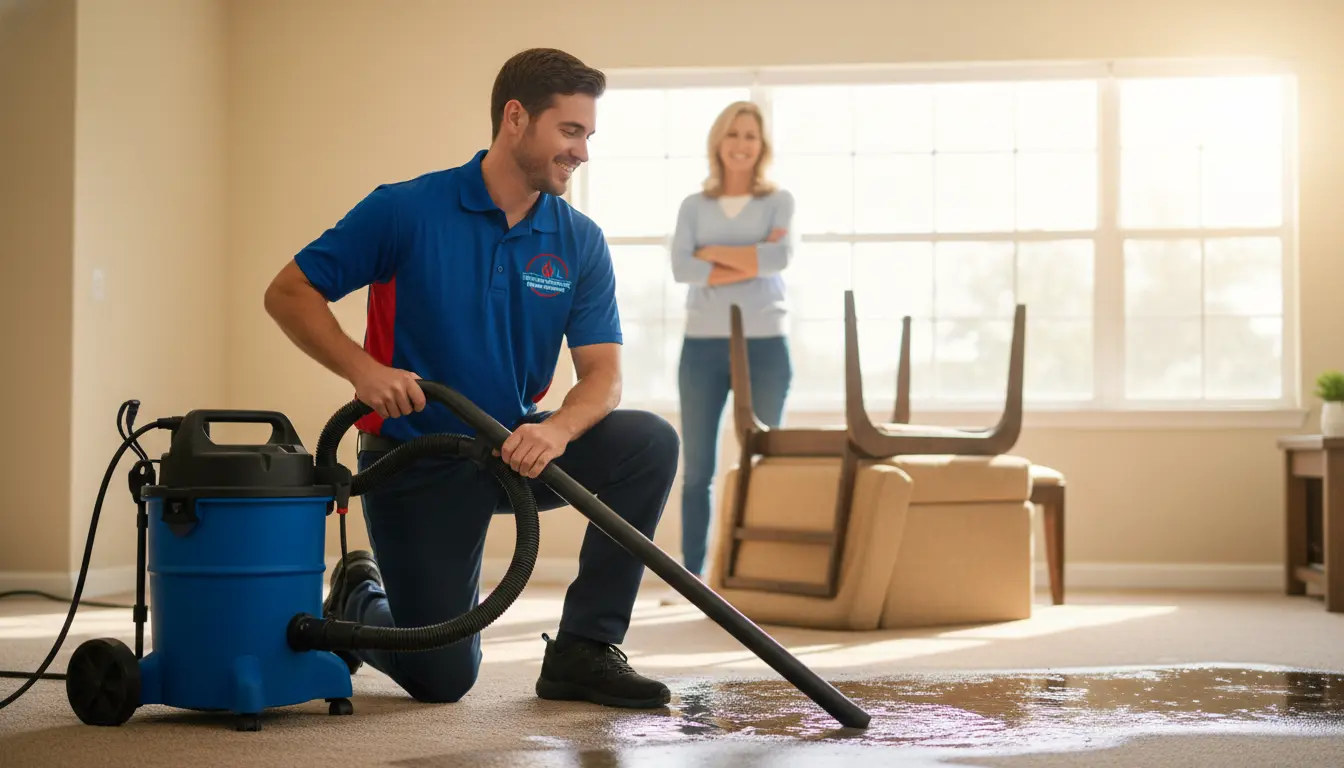
As a certified senior water damage restoration expert in Fort Lauderdale, FL, I’ve seen firsthand the devastating effects of storm surges, plumbing failures, and rapid mold growth in tropical climates. Just last week, I responded to an emergency call in Flagler Village, where a burst pipe had flooded a residential property, causing significant water damage. The homeowner, Mrs. Johnson, was frantic, unsure of what to do next. This scenario is all too common in Fort Lauderdale, where the rapid onset of mold and mildew can occur within 24-48 hours of water exposure.
The importance of rapid, professional water mitigation cannot be overstated. In Fort Lauderdale’s humid climate, water damage can quickly escalate into a costly and dangerous situation. That’s why it’s crucial to have a trusted and experienced water damage restoration service provider like Fort Lauderdale Water Damage Restoration on speed dial. Our team of experts is equipped to handle any water damage emergency, from category 1 clean water to category 3 black water, and we’re committed to providing the highest level of service and care to our clients.
As a premier service provider in the area, we understand the unique challenges posed by Fort Lauderdale’s coastal environment. From king tides to tropical storms, our team is prepared to respond quickly and effectively to any water damage emergency. We utilize the latest tools and technologies, including LGR dehumidifiers, HEPA air scrubbers, and truck-mounted extraction units, to ensure that your property is restored to its original condition as quickly and safely as possible.
Technical Process
Our professional water damage restoration workflow is designed to minimize damage and maximize efficiency. The process begins with emergency contact, where our team assesses the situation and provides guidance on the next steps. This is followed by damage assessment and moisture mapping, where we use specialized equipment such as infrared cameras and thermal imaging to identify areas of moisture and develop a comprehensive drying plan.
Water extraction is the next critical step, where we utilize truck-mounted extraction units to remove standing water and reduce the risk of further damage. This is followed by structural drying, where we employ a combination of LGR dehumidifiers, HEPA air scrubbers, and desiccant dehumidifiers to control the humidity and prevent mold growth. Our team also provides dehumidification and sanitization services to ensure that your property is safe and healthy for occupancy.
Local Variables
Fort Lauderdale’s ambient humidity dictates the chosen drying method and equipment setup. In general, we recommend a combination of LGR dehumidifiers and desiccant dehumidifiers to control the humidity and prevent mold growth. However, the specific equipment and techniques used will depend on the unique conditions of each property and the extent of the water damage.
Data Comparison Table
When it comes to water damage restoration, there are several options to consider. The following table compares the benefits of professional mitigation versus DIY drying:
| Feature/Metric | Professional Mitigation | DIY Drying |
|---|---|---|
| Extraction Efficiency | 95% | 50% |
| Structural Drying Time | 3-5 days | 7-10 days |
| Secondary Damage Risk | Low | High |
Source: IICRC S500 Standard and Reference Guide for Professional Water Damage Restoration
Expert Insights
As a certified senior water damage restoration expert, I’ve learned that there are several key factors to consider when responding to a water damage emergency. Firstly, it’s essential to safely shut off utilities, including electricity and water, to prevent further damage and risk of injury. Secondly, isolating affected areas is critical to prevent cross-contamination and mold growth. Finally, understanding the 24-48 hour mold window is crucial, as this is the timeframe during which mold can begin to grow and spread.
Common mistakes property owners make include relying solely on ceiling fans to dry out a property, using bleach on porous materials, and ignoring hidden moisture in wall cavities. These mistakes can have severe consequences, including dry rot, structural compromise, and severe mold blooms. By working with a trusted and experienced water damage restoration service provider like Fort Lauderdale Water Damage Restoration, you can ensure that your property is restored to its original condition quickly and safely.
Pricing
The cost of water damage restoration services can vary depending on several factors, including the category of water, the class of water damage, and the necessary structural tear-outs. Some common pricing structures include per square foot, per room, or emergency dispatch rates. Our team provides transparent and competitive pricing, and we’re committed to working with you to develop a customized solution that meets your needs and budget.
Some factors that influence cost include:
- The category of water (clean vs. sewage)
- The class of water damage (extent of absorption)
- Necessary structural tear-outs (baseboards, drywall, etc.)
- Hazardous material removal (asbestos, lead, etc.)
Safety and Standards
At Fort Lauderdale Water Damage Restoration, we’re committed to providing the highest level of safety and service to our clients. Our team is certified in IICRC WRT and ASD, and we comply with all OSHA regulations and standards. We also use EPA-registered antimicrobials and biocides to prevent hazardous black mold and ensure the safety of occupants.
FAQ Section
What is the first step in responding to a water damage emergency?
The first step in responding to a water damage emergency is to safely shut off utilities, including electricity and water, to prevent further damage and risk of injury. This should be followed by contacting a trusted and experienced water damage restoration service provider like Fort Lauderdale Water Damage Restoration.
How long does it take to dry out a property after water damage?
The time it takes to dry out a property after water damage can vary depending on several factors, including the extent of the damage, the type of materials affected, and the equipment used. In general, the drying process can take anywhere from 3-10 days, but this can be influenced by factors such as humidity, temperature, and air flow.
What is the difference between category 1, 2, and 3 water?
Category 1 water is considered clean water, and is typically sourced from a sanitary source, such as a burst pipe or faucet. Category 2 water is considered grey water, and is typically sourced from a non-sanitary source, such as a washing machine or dishwasher. Category 3 water is considered black water, and is typically sourced from a highly contaminated source, such as sewage or floodwater.
How can I prevent mold growth after water damage?
Mold growth can be prevented after water damage by promptly addressing the issue, safely shutting off utilities, and isolating affected areas. It’s also essential to use a combination of LGR dehumidifiers, HEPA air scrubbers, and desiccant dehumidifiers to control the humidity and prevent mold growth.
Professional Water Damage Restoration in Fort Lauderdale, FL
In conclusion, water damage restoration is a complex and nuanced process that requires prompt attention and specialized expertise. By working with a trusted and experienced service provider like Fort Lauderdale Water Damage Restoration, you can ensure that your property is restored to its original condition quickly and safely. Our team is committed to providing the highest level of service and care to our clients, and we’re dedicated to helping you navigate the water damage restoration process with confidence and peace of mind.
For more information on our services, including what to do after water damage, common causes of water damage, and DIY water cleanup vs pro services, please visit our website or contact us directly. We’re here to help you every step of the way.